KATHMANDU, Jan 23: The government has intensified surveillance at all airports and cross-border checkpoints following confirmation of Nipah virus cases in India’s West Bengal.
The Ministry of Health and Population has adopted high-alert measures to prevent potential transmission of the virus, which has a fatality rate of 40–70 percent, according to the World Health Organization (WHO).
“Health desks have been set up to monitor travelers showing symptoms, and designated hospitals have been asked to remain on standby for treatment,” said Dr. Prakash Budhathoki, spokesperson for the Ministry. Hospitals nationwide have also been directed to report suspected cases or deaths linked to Nipah virus infection.
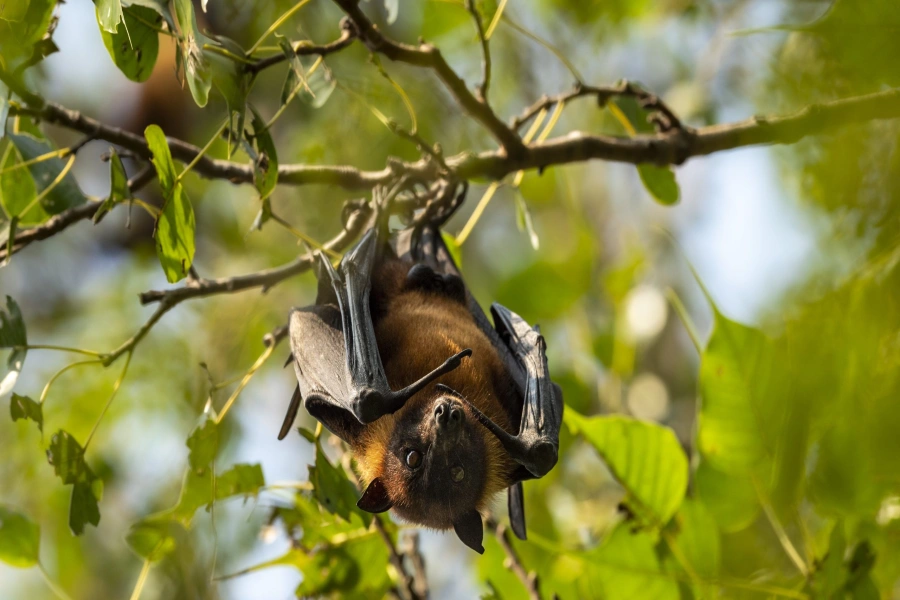
Bats that spread Nipah virus are found in abundance in Nepal

The health desks will guide any symptomatic travelers to medical facilities. Authorities have emphasized early detection, active surveillance, and intensive supportive care to manage cases and contain potential outbreaks. The government’s move follows the detection of several Nipah virus cases in West Bengal.
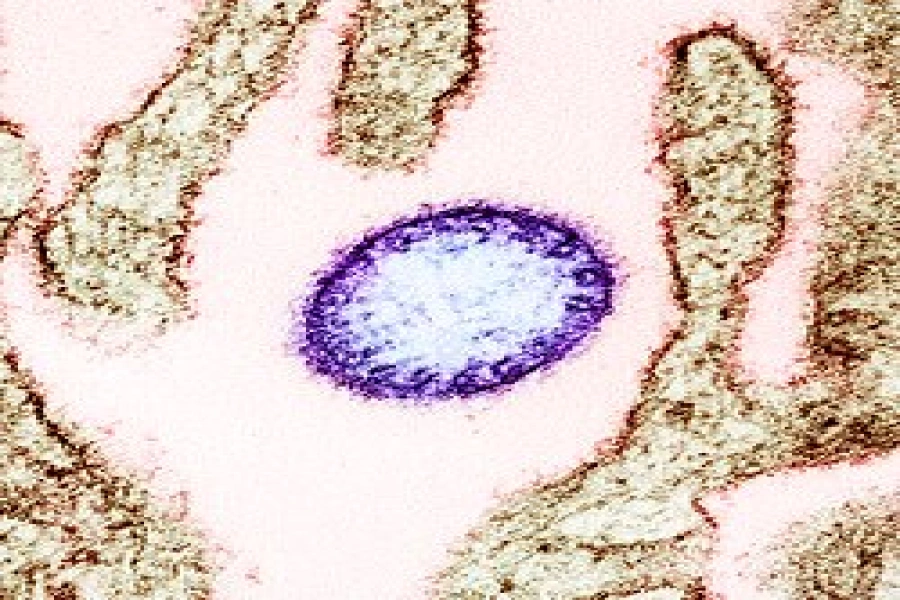
WHO classifies Nipah virus (NiV) as a deadly zoonotic virus, primarily carried by fruit bats, that can spread from animals to humans and between humans. Infections can range from mild or asymptomatic to severe respiratory illness and fatal brain inflammation (encephalitis). Early symptoms include fever, headache, muscle pain, vomiting, sore throat, and fatigue, which may progress to dizziness, altered consciousness, seizures, and, in severe cases, coma within 24 to 48 hours. Symptoms typically appear 4–14 days after exposure.
The ministry has advised anyone showing symptoms, particularly travelers from India, to self-isolate for 7 to 14 days, monitor their health, and maintain strict hygiene.
There is currently no specific treatment or vaccine, making prevention critical. WHO advises avoiding contact with fruit bats and infected animals, refraining from consuming raw date palm sap or potentially contaminated fruits, practicing frequent hand-wash, and avoiding close contact with infected individuals or their bodily fluids. Public awareness campaigns have also been launched to reinforce quarantine measures and prevent local transmission, noting that bats, pigs, and infected humans remain the primary sources of infection.