KATHMANDU, April 15: The government has pledged to achieve an average economic growth rate of 7 percent over the next five years, aiming to raise the country’s per capita income to US $3,000 and its gross domestic product (GDP) to $100 billion.
Unveiling a draft of the ‘National Commitment,’ the government has laid out ambitious economic transformation plans. The document incorporates pledges from six major political parties made ahead of the March 5 elections, stating that these visions will guide the upcoming budget, policies, programs, and reform agendas.
The commitment paper emphasizes using Nepal’s demographic dividend to transition into a middle-income nation. It states: “As the government assumes the role of regulator and facilitator, the private sector will take the lead in job creation, supply of goods and services, revenue generation, and investable capital flow.”
The government's key five-year pledges include reducing multidimensional poverty to 10 percent, creating 1.5 million new jobs, extending irrigation facilities to 300,000 hectares of land, and increasing the health sector budget to 8 percent of the annual budget.
Other ambitious goals include positioning Nepal as an exporter of artificial intelligence and doubling per capita spending by foreign tourists within the stipulated timeframe.
Desperate search for missing girls as nearly 80 dead in Texas f...

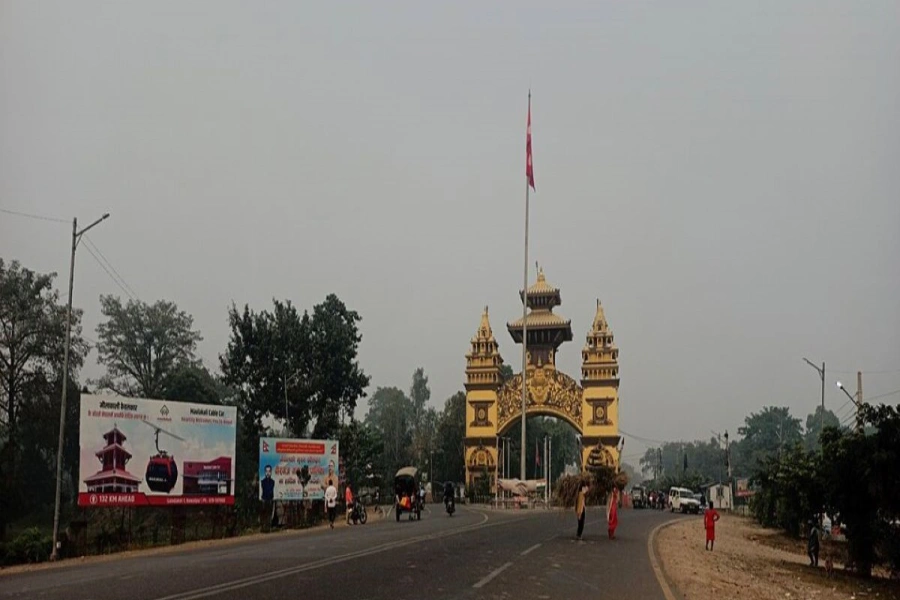
The government also aims to boost electricity production capacity to 30,000 MW within a decade and upgrade the Mahendra Highway to international standards within three years. To attract foreign capital, it plans to issue diaspora bonds worth Rs 100 billion annually.
Promoting the digital economy for growth, productivity, and quality employment remains a priority. To encourage private sector investment in production, the government assures stability in legal provisions, including tax rates. “An easy, digitized, paperless system will be implemented from registration to industry renewal,” the document states.
The government envisions equitable income distribution through social security, liberalized economic policies, access to utilities, and private sector-led startups and innovation. It adds: “Progressive taxation, fair distribution of state resources, regionally balanced development, and entrepreneurship promotion will reduce inequalities in opportunities, income, and wealth.”
The plan also aims to fix imperfect market structures by ending policy corruption, cartels, unhealthy competition, and artificial shortages.
The newly released commitment aligns with the broader 100-point reform agenda issued on March 27. According to the government, the document merges election manifestos and pledges from six parties into a shared national framework, signaling a shift toward collective ownership of reform priorities.
The government has invited feedback from political parties within 10 days. The draft is available on the online portal of the Office of the Prime Minister and Council of Ministers.












-1200x560-1776240217.webp)