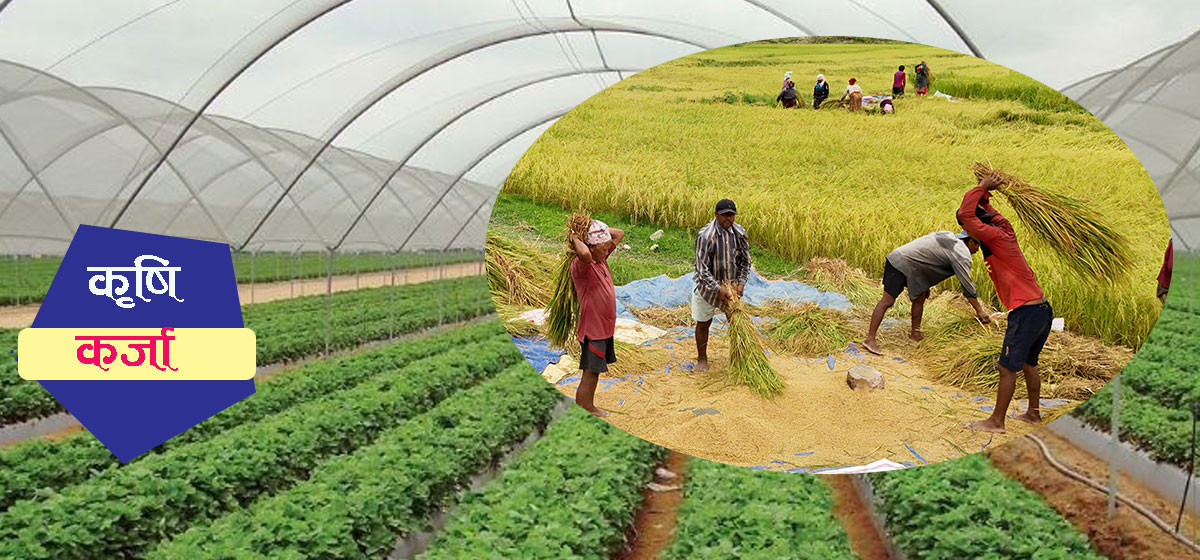
The government might be pushing for higher growth to distribute peace dividend among poor Nepalis, but such a growth will continue to elude it unless agriculture -- the largest sector and employer in the economy -- is accorded top priority, he stated. [break]“Nepal cannot jump into the higher growth trajectory by ignoring agriculture sector,” he added.
Speaking at a program organized by Independent Business News and Nepal Bankers´ Association, Dr Khatiwada also said agriculture development was also necessary for the growth of processing and other industries as well.
“Investment in agriculture will raise income of farmers and this, in return, will increase industrial consumption, supporting the growth of industries,” the governor said.
Realizing this need, he said NRB in February issued a new directive seeking banks and financial institutions (BFIs) to raise their credit in the sector to 10 percent of their total loans portfolio.
Currently, BFIs loans in the sector stand at meager 2.7 percent.
He also said the central bank was also making efforts to mobilize soft loans from the donors to invest in agriculture and hydropower sectors.
Bankers, however, raised skepticism over the safety of investments made in the sector. “Managing smaller agriculture loans is costly. Besides, there is problems of collateral and lack of insurance coverage for crops and livestock - the products in which banks invest. I do not think banks can invest in the sector as assuredly as they do in the other sector,” said Ashoke Rana, president of Nepal Bankers Association.
Among others, Min Bahadur Shrestha, executive director of NRB and Dev Bhakta Shakya, former executive director of Agro-Enterprise Center made presentations on prospects and challenges facing the country´s agriculture sector.
Related story
Lending slows as banks focus on recovery of loans at fiscal yea...











-1200x560-1776240217.webp)