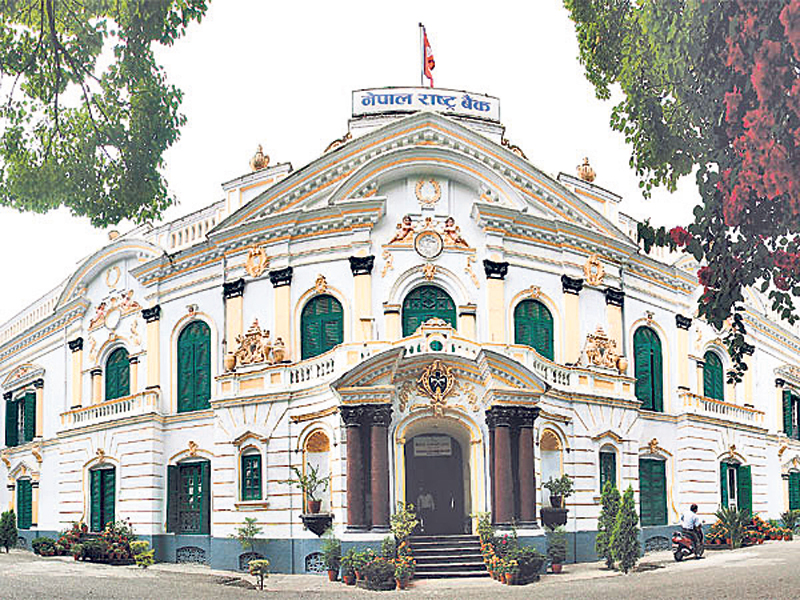
The shares of the state-controlled bank, which were delisted from the stock exchange in March 2004 following its enrollment in the finance sector reform program, were listed after the signing of an agreement between the bank and the stock exchange on Sunday.[break]
As per the agreement, 3.8 million units of the bank´s shares, with a face value of Rs 100 each, have been listed. Trading of the bank´s shares will begin within a week, according to Nepse.
“With the completion of the listing process, we have also initiated the process of listing rights shares of the bank on the stock market,” Maheshwor Lal Shrestha, coordinator of the bank, said.
The bank is issuing rights shares in the ratio of 1:9.5 to its existing shareholders. This means holder of every share at the bank will have to purchase 9.5 additional shares at a price of Rs 100 each. This is expected to inject Rs 3.62 billion into the bank. Of this amount, Rs 1.39 billion has been obtained from the government, which is one of the largest promoters of the institution.
While the government has 40.49 percent stake in the bank, general shareholders have 49.94 percent stake in the bank. Other major shareholders of the bank include Rajendra Kumar Khetan, who holds 6.93 percent stake in the bank, NCC Bank, which owns 4.92 percent shares in the bank, and other organizations, which hold 2.4 percent stake.
“During discussions, all of these shareholders had agreed to purchase rights shares issued by the bank,” Shrestha had earlier told Republica.
Despite this commitment, some of the shareholders may not be able to purchase rights shares floated by the bank, as they hold significant stakes in other banking institutions as well.
Since Nepal Rastra Bank bars promoters of one financial institution from holding more than one percent share in other banking institutions, some of these shareholders may have to appoint buyers on their behalf. “If not, rights shares allocated for them will be auctioned,” the bank said.
Although the bank still has a negative net worth of Rs 2.65 billion, there is significant investor interest in the financial institution as it is backed by the government and has a wide network in almost every district in the country.
Related story
Revised interest rate corridor system introduced