KATHMANDU, May 11: Lawmakers, urban planners and cycling activists have urged the government to adopt cycle-friendly policies, arguing that Nepal’s worsening traffic congestion, air pollution and fuel dependency cannot be solved through road expansion alone.
The call was made during an interaction program titled “Citizen Call: Clean Air, Cycle-Friendly and Pedestrian-Friendly Kathmandu Valley", organized by Nepal Cycle Society (NCS) and co-organized by Nepal Women Cycle Society, Pangami Riders Club and Cycle Culture Community at the Nepal Tourism Board in Bhrikutimandap on Saturday.
According to a press release issued by the organizers, speakers at the program highlighted growing urban challenges such as traffic congestion, road accidents, air pollution caused by vehicle emissions and health problems linked to inactive lifestyles. They also pointed to Nepal’s increasing dependence on imported fuel and the resulting economic burden.
Speakers warned that widening roads and constructing flyovers may ease congestion temporarily but ultimately encourage greater use of private vehicles, leading to more traffic jams and road accidents in the long run.
They also noted that many countries, especially in Europe, are shifting toward human-centred urban planning models such as “15-minute cities” and “superblocks” with car-free streets, while Nepal still largely considers smooth roads for motor vehicles as a symbol of development.
Urban Agriculture for Sustainable Urban Development in Nepal

Air pollution was identified as another major urban challenge, particularly in the Kathmandu Valley, where vehicle emissions significantly contribute to deteriorating air quality throughout the year. Speakers said pollution has increased respiratory and cardiovascular diseases among children, the elderly and youths.
The participants stressed that increasing bicycle use for short-distance daily travel could provide a sustainable and cost-effective solution to multiple urban problems, including traffic congestion, air pollution and fuel consumption. They also said promoting cycling through national policies, legislation and infrastructure development could improve public health and reduce import dependency.
Speakers noted that cycling initiatives in the Kathmandu Valley have also contributed to women’s empowerment by increasing the number of female cyclists through training programs.
The program called for the formulation of a national cycling vision, including bicycle-related laws, infrastructure standards and programs promoting cycling culture.
The interaction was moderated by cycle activist and founder of NCS Ratna Ram Shrestha and NCS executive member and urban planner Rija Joshi. The retired registrar of Patan Academy of Health Sciences, gynecologist and adviser of NCS, Prof. Dr Paban Sharma, presented health-related concerns linked to urban transport, while NCS secretary and urban planner Rakesh Maharjan discussed the current condition and necessity of cycling infrastructure. A novice woman cyclist from Swoyambhu Dallu Cycle Puchah, Gyan Shobha Maharjan, shared her personal struggles in learning to cycle. Transportation engineer and NCS Vice-President Sagar Onta expressed readiness to support bicycle legislation and infrastructure development.
Around 200 participants, including lawmakers, activists, stakeholders, community representatives and members of the public, attended the program. Federal lawmakers Indira Rana Magar, Dr Toshima Karki, transportation engineer Ashish Gajurel, Kamal Subedi and Pramila Kuluju Pradhanang also participated.
Former Deputy Speaker and lawmaker Indira Rana Magar stressed the importance of road safety for cyclists and pedestrians on highways and in urban areas, highlighting the need for cycle lanes along the East-West Mahendra Highway.
Similarly, lawmaker Dr Toshima Karki emphasized the importance of cycling culture for personal health, environmentally friendly lifestyles and urban traffic management. She also praised women-focused cycling training programs in Lalitpur and stressed the need to expand cycle lanes from Budhanilkantha to Godawari.
Lawmaker Kamal Subedi underlined the importance of cycling for environmental protection and healthy living, saying the lack of cycling infrastructure has made daily bicycle commuting difficult.
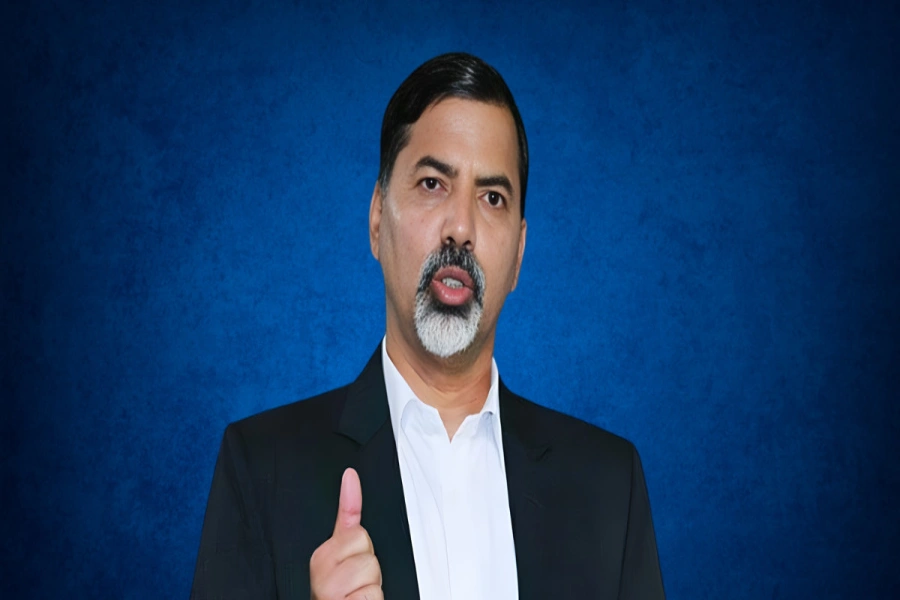
Likewise, lawmaker Ashish Gajurel said authorities face difficulties taking action against vehicles encroaching on cycle lanes due to the absence of clear laws and guidelines. He stressed the need to amend road and transport laws to clearly incorporate cycling infrastructure.
Speakers at the event also urged the government to formulate bicycle-related laws and policies in the upcoming budget and called on lawmakers to raise the issue in Parliament to support sustainable and environmentally friendly transport systems.