KATHMANDU, March 13: The rape and killing of a 16-year-old Dalit girl in Surkhet has triggered nationwide outrage and renewed concern over the disproportionate level of sexual violence faced by Dalit women and girls in Nepal.
The victim, Inisha BK, a resident of Gurvakot Municipality–6 in Surkhet, was found unconscious near a community forest close to Sahid Park in Birendranagar on March 7. She was rushed to hospital but was declared dead upon arrival.
Police said post-mortem findings and statements from the accused indicate that she was raped before being murdered. BK, originally from Badakhola in Gurvakot, had been living in Birendranagar with her family while pursuing her studies. She had left home around 6 am for tuition classes but was later found naked in the forest area around 9 am.
Her mother reported her missing after she failed to return home by 8 am and her phone was switched off. Police later informed the family about the incident. Following confirmation of rape and murder through the post-mortem report, four individuals have been detained for investigation. The victim’s family has demanded justice, alleging that she was gang raped before being killed. Protests demanding action against those responsible have erupted in several parts of the country.
Pattern of violence against Dalit girls
Rights groups say BK’s case is not an isolated incident. Several cases in recent years show a pattern of sexual violence against Dalit girls.
In February 2024, 17-year-old Rinku Kumari Sada of Nawarajpur–1 in Siraha was gang raped by three local youths while on her way to the toilet. According to reports, local community members had attempted to settle the case through financial compensation, but the victim was killed after refusing to withdraw the complaint.
In 2020, 13-year-old Angira Pasi of Devdaha in Rupandehi died after being beaten following rape. A 25-year-old man and his mother were accused in the case.
Break taboos to reinstate rape victims

Similarly, in July 2019, Maya BK of Gauriganga Municipality–11 in Kailali was gang raped and murdered. Her body was found three days later in a community forest. Five individuals were accused of the crime.
Various studies and reports indicate that Dalit women and girls face higher levels of sexual violence compared to other communities.
A study titled Gender and Caste-Based Violence Against Women and Girls in Nepal, published by the Dalit Women Association in 2025, found that Dalit girls represented the second largest group among victims of violence against girls. According to the report, 2,202 girls faced violence during the fiscal year 2024/25. Among 1,437 reported rape cases, 238 involved Dalit girls, accounting for 19.3 percent of the total. The report also recorded 26 cases of attempted rape and two cases involving trafficking followed by rape.
Data from Informal Sector Service Centre (INSEC) for 2080/81 recorded 5,886 incidents of human rights violations, including 4,838 cases related to violence against women. Among them were 468 cases of rape and 73 cases of attempted rape.
Nepal Police data shows that during the last fiscal year, 2,507 rape complaints and 460 attempted rape complaints were registered nationwide. However, police statistics do not provide detailed caste-wise breakdowns.
Socioeconomic vulnerability
Activists say the vulnerability of Dalit women and girls is linked to entrenched caste discrimination and economic marginalisation.
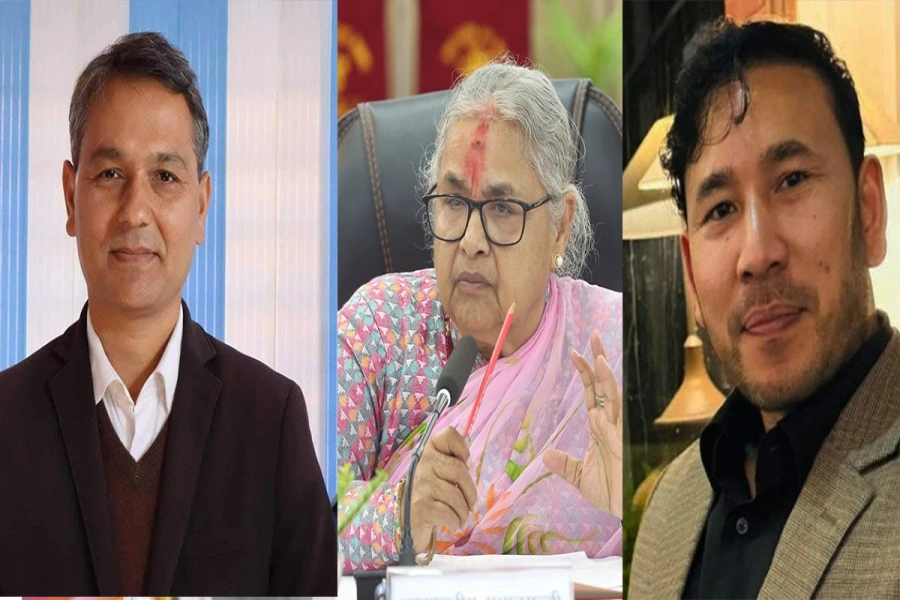
Kala Swarnakar, president of the Dalit Women Association, said social hierarchy and poverty make Dalit women more vulnerable to sexual violence.
“Caste discrimination and the economic hardship faced by Dalit communities create conditions where Dalit women become targets of rape,” she said, adding that perpetrators often assume such crimes will go unpunished because victims come from socially and economically marginalised backgrounds.
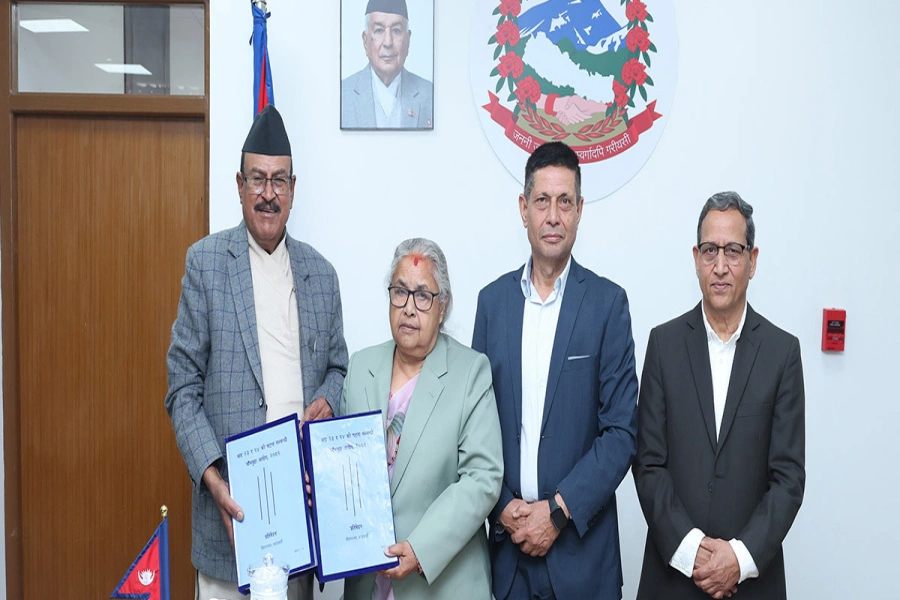
Kamala Parajuli, chairperson of the National Women Commission, also noted that Dalit girls appear frequently among rape victims.
“Violence is often perpetrated by those who hold power against those who are perceived as weak. Dalit communities are still seen as socially vulnerable, which increases the risk of such crimes,” she said.
Parajuli added that perpetrators often target individuals who lack strong social or familial protection.
Need for stronger prevention measures
Experts say that preventing sexual violence against Dalit girls requires sustained government action, including awareness campaigns and stronger social interventions.
Parajuli stressed that legal measures alone are insufficient. “Awareness campaigns must begin at the school level and be implemented strongly through local governments,” she said.
Swarnakar also emphasised the need for family-level awareness and guidance for children regarding safety and social interactions from an early age.
Rights groups say tackling caste discrimination, strengthening law enforcement, and empowering marginalised communities are essential to addressing the persistent pattern of sexual violence against Dalit women and girls in Nepal.