
With the House of Representatives (HoR) election scheduled for March 5 approaching, the Election Commission (EC) has introduced a stringent code of conduct in response to previous violations and emerging threats. The code, effective from January 15, reflects the EC's effort to stay ahead of strategies by parties or individuals that could influence voters’ choices, particularly through digital platforms. Notably, for the first time, the code explicitly addresses the misuse of AI and social media. It prohibits deepfakes, disinformation, hate speech, misrepresentation through fake accounts, and other organized online activities intended to deceive voters and manipulate choices. Opinion polls and predictions remain banned from the nomination period until voting. On the ground, the EC has prohibited rallies that impede public movement, campaigns in schools and public institutions, and the involvement of children, as well as materials featuring electoral symbols. Overall campaign expenditure is capped—ranging from Rs 2.5 million to Rs 3.3 million depending on the constituency—and must be processed through designated bank accounts, with reporting due within 35 days after the election.
EC pledges to conduct polls in free, fair, credible manner
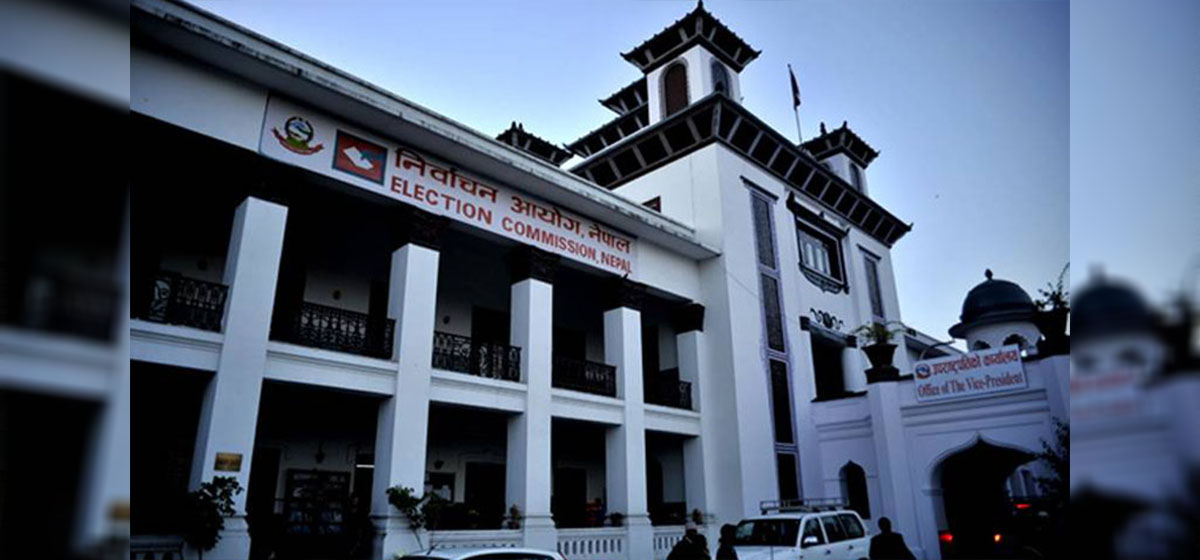
Elections are the backbone of democratic politics, giving citizens the right to choose leaders or governments that govern them. When elections are dominated by money, muscle power, or misinformation, this right is undermined. This is where the EC code plays a vital role. It sets a standard to ensure contests remain fair, allowing leaders and parties to compete based on ideologies and agendas while enabling voters to make informed choices without deception or threats. If these measures are ignored, parties in power or with abundant resources can exploit money, muscle, and digital platforms. Past elections in Nepal have shown that strict regulations are necessary, especially as social media has become a powerful tool for spreading falsehoods. AI technology makes it increasingly easy to manipulate voices, faces, and events before fact-checkers can intervene, making restrictions on AI usage essential.
Physical campaigning also requires discipline. Schools, institutions, and public buildings should remain free of political activities. Similarly, the use of public resources by parties and leaders must be strictly regulated. Spending limits are equally important. While money cannot guarantee victory, unchecked financial influence gives some candidates an unfair advantage. The EC has set limits based on constituency and local conditions, ensuring equity while allowing for transparency. By mandating bank-account transactions and audits, the EC aims to prevent excessive poll spending. However, rules alone are not enough—their enforcement is what truly matters. The EC must act swiftly and transparently when violations occur, regardless of who is involved. Security and monitoring teams should have the authority to stop illegal gatherings and movements. Parties must also recognize that compliance strengthens elections and democracy. A free and fair election builds trust, and strict, enforced rules ensure voters have confidence that the competition is fair and the results are genuine.