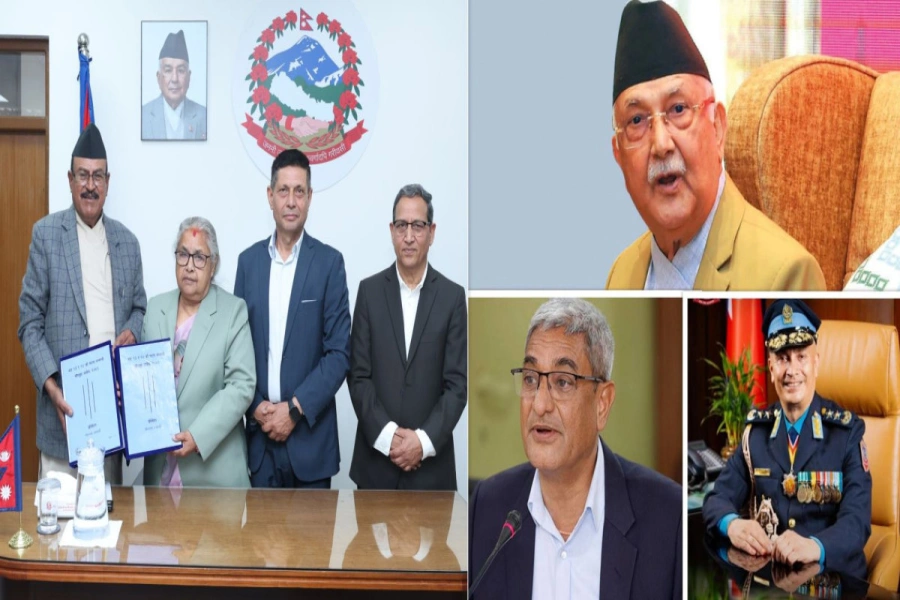
KATHMANDU, March 8: A probe commission led by Gauri Bahadur Karki, formed to investigate the Gen-Z movement, has submitted its report, holding the then government accountable for the unrest. The commission, headed by the former chair of the Special Court, handed the report to Prime Minister Sushila Karki on Sunday, a day before the extended submission deadline.
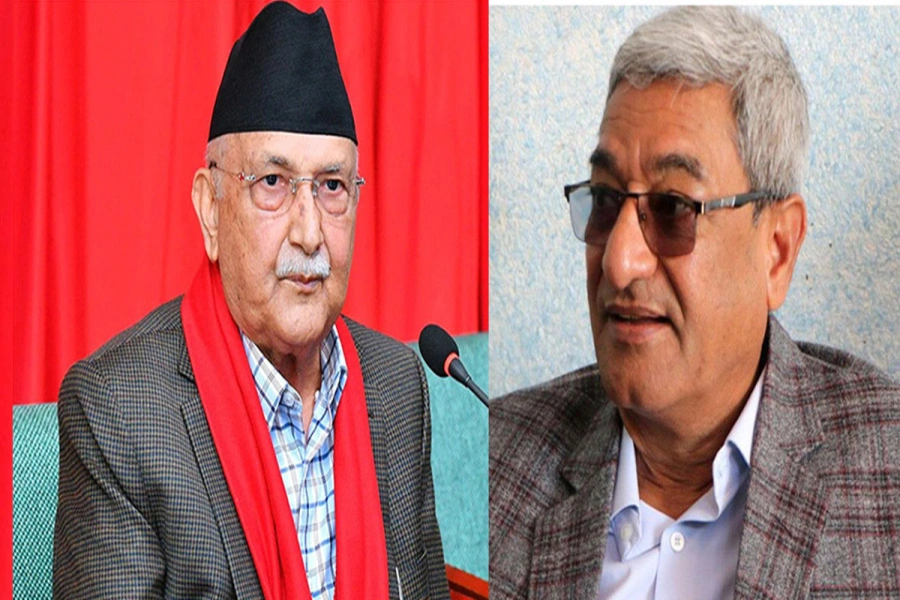
The 8,000-page report identifies former Prime Minister KP Sharma Oli as the principal figure responsible for the crisis, while former Home Minister Ramesh Lekhak is also held accountable. It highlights that the government’s shutdown of social media platforms enraged young people and that the failure to pursue a political solution triggered the Gen-Z movement, resulting in significant human and material losses.
The commission further noted shortcomings in the actions of security agencies, stating that Home Minister Lekhak did not effectively mobilize the security apparatus during the protests. According to a commission official, Oli “failed to exercise leadership as head of government and did not take meaningful steps to stop the protests, control the situation, or resolve the crisis through dialogue.”
Gen Z probe commission summons former Home Minister Lekhak for...

The official added, “While all government actors share responsibility, the prime minister and home minister bear the greatest responsibility for the scale of the damage during the Gen-Z uprising.”
Despite assigning accountability, the report does not recommend legal action against Oli or Lekhak. However, it underscores that the government should acknowledge its failures. “The government was aware of the situation. While the firing was carried out by authorities under the law, the closure of social media and the failure to inform the public compelled people to take to the streets. In that sense, the leadership of the then government holds primary responsibility,” the commission official said.
Commission member Bigyanraj Sharma said the report includes detailed conclusions about the events of September 8 and 9, identifying those responsible for wrongdoing. “The report has been submitted to the government and now belongs to the state. It is up to the government to decide on further actions. We have recommended action against certain individuals, but I cannot disclose specifics,” Sharma said.
The commission questioned and recorded statements from more than 200 individuals during its investigation, concluding that those who committed mistakes have been held primarily accountable.





-1784277548.webp)