KATHMANDU, March 6: Six months ago, Nepal stood close to political breakdown. Smoke lingered over parts of the government complex in Kathmandu. Political leaders stayed inside the army barracks for safety. Young protesters filled the streets demanding change. Public trust in the political system had almost vanished. Many people believed the country was entering a long period of instability rather than moving toward a peaceful election.
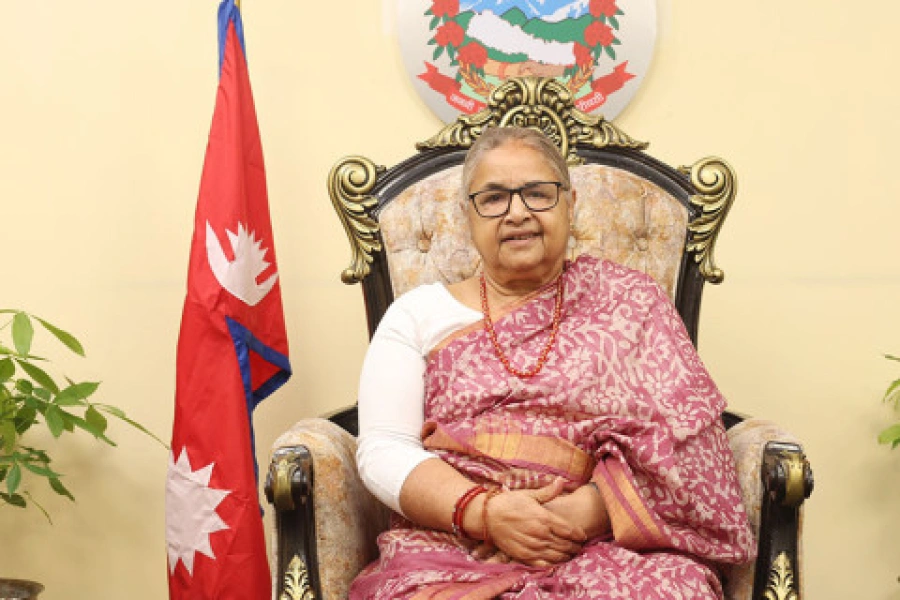
Yet on Thursday, March 5, millions of Nepalis lined up at polling stations and cast their ballots. The election passed with only minor disturbances. The successful vote marked a striking shift from the chaos of the previous months. It also became the main achievement of Prime Minister Sushila Karki’s short but demanding time in office.
PM Karki did not initially want to take power and had hesitated before accepting the responsibility. The situation looked risky and unpredictable. The Gen Z protest movement had forced Prime Minister KP Sharma Oli to leave office. Political parties appeared shaken. State institutions looked uncertain. Public anger remained strong across the country.
Youth played crucial role
Young activists played an unusual role in pushing her toward leadership. Many of them used the mobile app Discord to discuss politics and organize their protest movement. In those online discussions, they argued that Karki could guide the country through the crisis. Their support helped build momentum for her appointment. She finally accepted the role and took the oath of office on September 13 at the official residence in Baluwatar. Even the surroundings reflected the mood of the country. The new government had to work in an atmosphere filled with uncertainty and suspicion.
The political environment she inherited remained deeply unsettled. Buildings inside the Singha Durbar complex still showed marks of violence from the protests in early September. Rumours spread widely across the country. Some people questioned the role of the Nepali Army during the unrest. Others suspected that supporters of former king Gyanendra Shah might be encouraging instability. Even when such stories lacked proof, they deepened anxiety.
Ugly Thought

Many senior politicians stayed inside army barracks for weeks after the uprising. Normal communication among political leaders had nearly stopped. Under those conditions, the idea of organizing a national election within six months seemed unrealistic to many observers.
PM Karki herself sometimes added to the uncertainty. She had long been known for blunt speech and impatience with established party leaders. During one hospital visit, she reportedly told injured protesters that they should have fought back instead of quietly suffering attacks. Comments like that unsettled many politicians and raised doubts about whether she could manage the delicate balance required for an interim government.
Critics also argued that she lacked a strong advisory team. Some predicted that the interim government would collapse before reaching election day. The early weeks of her administration offered little reassurance to those skeptics.
Pressure soon grew from several directions. Gen Z activists demanded legal action against former leaders, including KP Sharma Oli and former Home Minister Ramesh Lekhak. Arresting them could have sparked more protests and political conflict. Failure to comply with these demands could have antagonized the same youth groups who had supported the interim government. This created a difficult political dilemma.
Political distrust was also high. Several major party leaders refused to attend meetings called by the Election Commission. Communication among top leaders almost stopped.
Only after President Ram Chandra Paudel stepped in as mediator did Karki begin direct talks with party leaders. That intervention helped reopen dialogue and created a path toward election preparation. While tensions continued, the broader political environment slowly began to settle.
Major parties reorganized themselves through internal conventions. New political groups also emerged. At the same time, legal petitions seeking restoration of the dissolved parliament reached the Supreme Court. The court quietly signaled that it would stay out of the dispute as long as elections were held within the declared timeline. That message encouraged political actors to focus on the coming vote rather than legal battles.
Patient dialogue
Karki relied largely on negotiation during this period. She held several private meetings with KP Sharma Oli and persuaded him to cooperate with the investigative commission examining earlier political events. Oli eventually submitted written responses and later recorded a statement. That step prevented a situation many feared: a refusal to appear followed by arrest and renewed unrest.
The prime minister also opened talks with controversial activist Durga Prasai. Their discussions led to agreements that helped calm parts of the protest movement. Civil society observers later said Karki gradually improved her ability to listen to opposing groups and bring them into dialogue.
Security preparation formed another part of the effort. Home Minister Om Prakash Aryal traveled across the country to review election security arrangements. Karki herself visited remote Himalayan districts to check weather conditions and ensure that polling could take place despite winter difficulties.
The interim government also avoided making major political appointments during this period. It focused mainly on maintaining stability and organizing the vote. Negotiations with several protest groups ended hunger strikes and lowered the risk of further unrest.
Finally, the country reached election day. Around 60 percent of the 18.9 million registered voters cast their ballots. Observers described the voting process as orderly and similar to elections held in many established democracies. The peaceful vote showed that the political crisis had begun to ease.
Karki’s interim administration had a narrower but demanding responsibility—to guide the country from unrest toward a credible national election within a limited time. By that measure, the government achieved its goal.
When the new government takes the helm, it must first thank her and her team. Prime Minister Karki and her administration have taken Nepal from a chaotic situation to the ballot box, returning authority to sovereign voters to shape the nation’s future.