The funds will be used to prepare potential projects aimed at upgrading irrigation schemes, improving irrigation efficiency, and preventing water-related disasters, an ADB statement issued on Tuesday said.[break]
The funds will also be used by the departments of irrigation and water-induced disaster prevention for job training, social and environment capacity enhancement, revision of the government´s irrigation master plan and setting up of a facility management unit.
“Delays in the start up of Nepal´s water projects has put the country´s progress on improving irrigation schemes and preventing water-induced disasters at risk,” the statement quoted Jiangfeng Zhang, principal natural resources and agriculture specialist at ADB, as saying. “This funding should significantly speed up the process, and ultimately lead to better outcomes.”
As a largely agrarian economy, Nepal is highly sensitive to changes in climate and availability of natural resources, including water. Irrigation accounts for 87 percent of water use and remains the most critical input for food security.
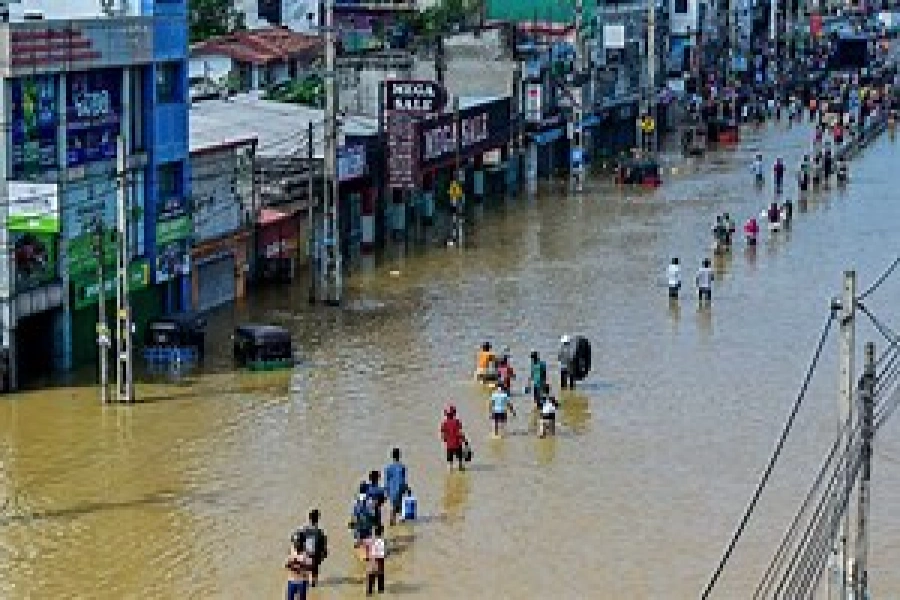
Most of the opportunities to improve agriculture production in the country depend on improving use and management of water infrastructure, advancing water use efficiency, and protecting crops and infrastructure from water-induced disasters such as floods, landslides, and land erosion.
“Irrigation infrastructure when combined with sound management system can double or triple crop yields, expand irrigated area, and dramatically enhance farmer incomes. So using this fund and preparing a number of projects for ready implementation with detailed design, procurement packaging, and empowerment of water user associations will greatly contribute to building Nepal´s food security and climate resilience,” ADB Country Director for Nepal Kenichi Yokoyama said.
As of 30 June 2012, cumulative ADB lending to Nepal has reached $3.7 billion, with investment grant projects amounting to $3.5 billion and technical assistance amounting to $163 million.
Related story
ADB supports Nepal’s digital transformation toward high‑impact...