The major parties have now begun battling out for supremacy in the negotiations over peace and constitution. It is but natural for the parties to work towards their goals. This has, however, put the all-important issue of consensual politics in the backburner and risks jeopardizing the historic achievements in the last seven years. When the then warring CPN (Maoist) and the Seven Party Alliance, including Nepali Congress and CPN-UML, signed the 12-point understanding in November 2005, Nepalis heaved a sigh of relief as the “People’s War,” and with it mindless killings of civilians, was coming to an end. But after seven long years, party leaders are now questioning the very basis of collaboration up until this point. In this connection, UCPN (Maoist) Chairman Pushpa Kamal Dahal on Tuesday said that the politics of consensus was at risk and even questioned continued relevance of the 12-point understanding.
Dahal’s remarks came a day before his party formally announced an alliance of ‘pro-federalist’ forces called Federal Democratic-Republican Alliance. Dahal claimed that the alliance would work for consensus and for institutionalization of achievements till date. But his remarks fall far short of people’s expectations who had given the country’s major political forces, namely—UCPN (Maoist), NC, CPN-UML and the Madhesi parties—a mandate to work together and guarantee a constitution. A constitution that ensures democracy and human rights; equal participation of marginalized communities like women, Dalits, Janajatis, Madhesis in the decision-making process; equitable distribution of state resources; devolution of power to the communities through a workable federal system; and elimination of discriminations based on caste, ethnicity, gender and religion.
What the people didn’t expect was for the parties to work towards their own benefits and set aside the original basis of understanding. There is no doubt that politics is a competitive game between parties, often with competing ideologies, but the present situation demands cooperation instead of competition. This is a period the country is going through historic change, a change that guarantees equal participation of all citizens in state-building. After tumultuous one and a half decade, we are on the verge of building new Nepal; and this cannot be achieved without the major parties working together.
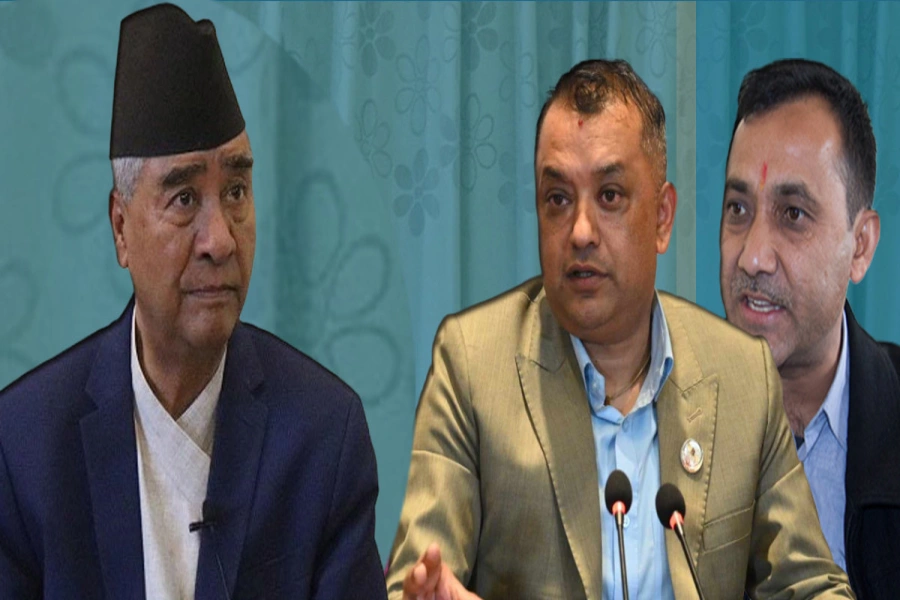
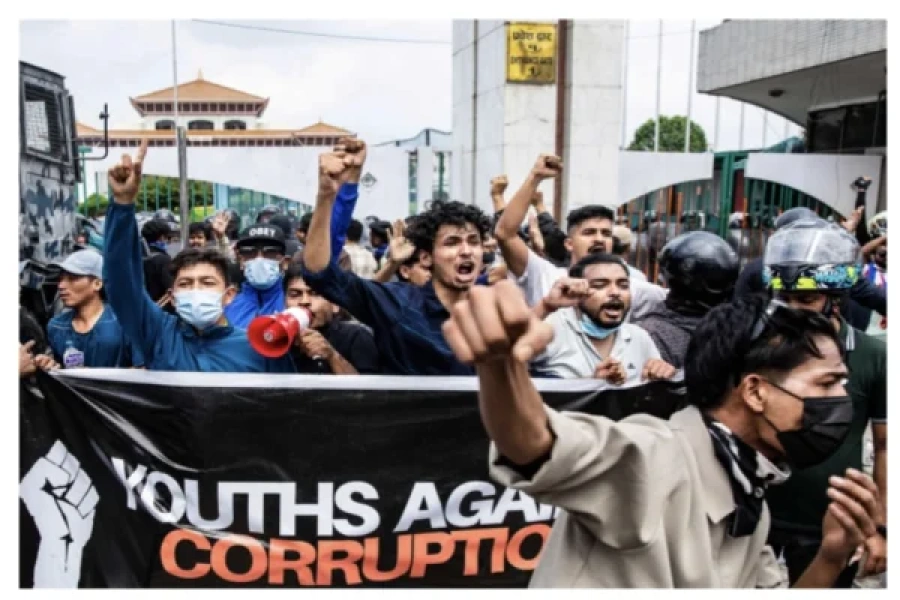
The present goings-on, however, is not helping the cause. The parties, instead of wrangling over petty issues, should be working to settle their differences on key issues at the earliest. Recent developments on formation of various alliances are only creating more divisions. But even in this dismal scenario, the efforts made by the younger politicians of the major parties could prove to be a saving grace. This group of cross-party youth leaders—representing UCPN (Maoist), CPN (Maoist), NC, CPN-UML and United Democratic Madhesi Front —are trying to convince their senior leaders to hold result-oriented negotiations to bail the country out of the current impasse.
They have rightly cautioned the leadership that national politics may slip out of their control if they do not shun their lackadaisical attitude to resolving the deadlock. We urge the youth leaders to do all they can to bring top leaders on the same page in order to ensure a smooth transition and overcome the current political and constitutional crisis.
Related story
Young widow shoulders family responsibilities after husband kil...