

“Nepal, as a recipient of AFT, couldn´t enhance spending capacity to strengthen supply side in global trade. This limited our share in AFT to 0.07 globally and 2 percent in Asia,” said Chandra Kumar Ghimire, joint-secretary at the Ministry of Commerce and Supplies (MoCS).[break]
Lack of strong spending capacity and proper channeling of aid as per the national commitment for trade promotion affected assistance receipt under the AFT, he added.
“We have seen a huge gap between commitment of aid to Nepal and actual disbursement because we are lacking capacity to utilize the assistance like emerging economies like India,” said Ghimire.
According to the latest global review of AFT by World Trade Organization (WTO) last week, Nepal received paltry $173.5 million against the total commitment of $292.5 under the ATF. Nepal had received the amount to implement programs related to trade policy, economic infrastructure and building production capacity.
During the ATF review meeting held in Geneva, Nepali officials had made presentation on internal resources mobilization for trade promotion. The meeting had appreciated Nepal´s efforts in mainstreaming trade through government policies and priorities and expressed satisfaction over mobilization of fund for trade. However, the meeting expressed concerns over lesser impact of aid in poverty alleviation in Nepal.
“Responding to their concerns, we acknowledged that we need do more to make external aid more effective for alleviating poverty in our country,” said Ghimire.
Experts are also of the view that Nepal needs to develop its supply capacity by boosting spending to ensure greater share in global trade.
“We have to utilize ATF boost our supply side by increasing our production capacity. For this, we need favorable trade adjustment so that we have alternatives in case the global market turned adverse for us,” said Posh Raj Pandey, executive chairman of South Asia Watch on Trade Economics and Environment (SAWTEE).
He, however, added that narrowing down the existing gap between commitment and actual disbursement of aid was challenging for Nepal.
Pandey also stressed the need to sustain donor-funded programs after withdrawal of assistance by the donors. He was also for ensuring active participation of local stakeholders while formulating policies for the programs to be run under external assistance.
Related story
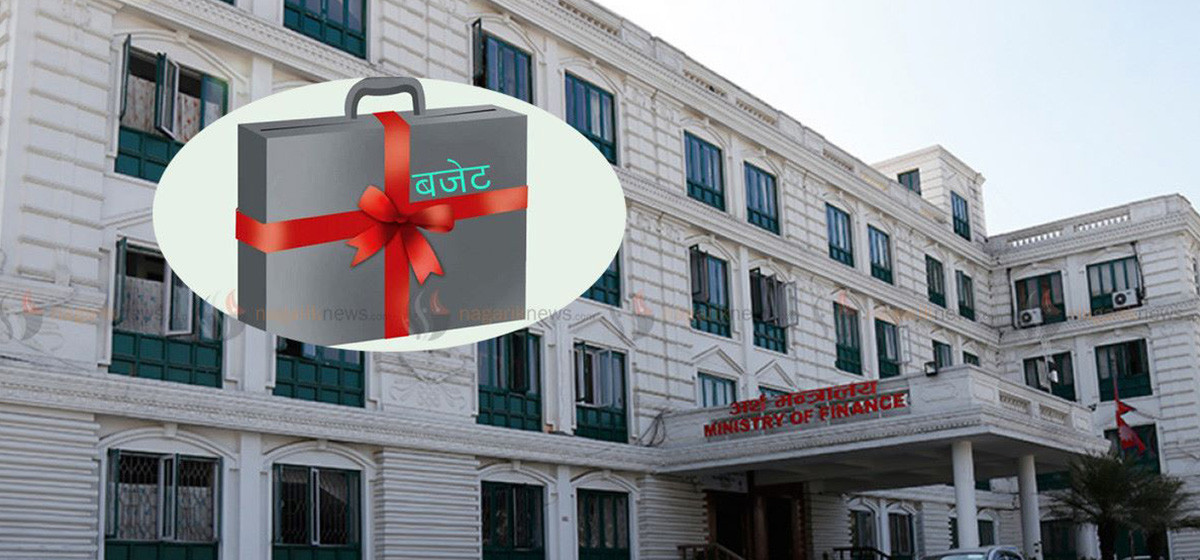
Weak govt capacity: Rs 350 billion budget remained unspent



















-1200x560-1779450784.webp)

