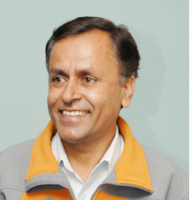
KATHMANDU, June 1: Prime Minister Balendra Shah, addressing Parliament for the first time on Sunday, announced that revenue generated from the newly imposed value added tax (VAT) on electricity consumption will be directed toward upgrading power infrastructure across the country.
The government’s budget for Fiscal Year 2026/27 introduced a five percent VAT on electricity use exceeding 50 units per month, sparking widespread criticism. Lawmakers and stakeholders have argued that the measure contradicts Nepal’s commitments to promote green energy and could discourage households from adopting electric appliances.
VAT has not been imposed on locally produced potatoes, onions a...

Defending the policy, Prime Minister Shah said the existing distribution system is unable to cope with rising demand. “It is necessary to improve the electricity distribution infrastructure to increase electricity use,” he told the House, adding that VAT revenue will be invested in replacing transformers, strengthening transmission lines, and upgrading substations nationwide.
Finance Minister Swarnim Wagle had earlier clarified that the VAT replaces a two percent luxury tax on electricity, while also introducing a 0.50 percent skill promotion fee for gold buyers. Shah emphasized that the burden on consumers would remain modest, noting: “This will not yield a very large amount. The burden will be just Rs 5 per use of electricity worth Rs 100.”
Criticism of the policy has continued. On Saturday, Ujyalo Nepal Party Chairman Kulman Ghising warned that the VAT could reduce the use of electric stoves and push households back toward reliance on liquefied petroleum (LP) gas, undermining energy security and green economy goals.
Nepal’s hydropower sector has long struggled with underutilization of generated electricity. The government projects installed capacity to reach 5,535 MW in the next fiscal year and has set a target of 30,000 MW by 2036, up from the earlier goal of 24,500 MW.
During Sunday’s session, Rastriya Prajatantra Party lawmaker Khusbu Oli pressed the Prime Minister on the rationale behind the VAT increase. Shah reiterated that the measure is intended to finance infrastructure upgrades essential for Nepal’s transition to an “electrical era.”