A similar analogy can be made in politics. The goal of any country’s government is to maintain law and order, provide justice, and bring prosperity. To do so, we elect the parliament (the board of directors). The parliament chooses the PM (CEO) and the PM chooses his cabinet (top management). The parliament is supposed to make sure that the PM and the cabinet work on behalf of the public (shareholders). In reality, the PM and the cabinet members, just like CEOs and top executives of a corporation, first try to enrich themselves and only then worry about the public.
Like an efficient corporation needs the right incentives for its CEO, an efficient government needs the right incentives for its PM. The parliamentary system, the way we have it currently, does not have the right incentives for the PM. We need to fix this.
I don’t have a silver bullet to solving these problems. Political problems, by design, are more complex than corporate problems. But here are a few suggestions that can help.
First, the PM should not be the chairman of his party. This makes him to too powerful, and diminishes the ability of his party to rein him in. It is also like asking him to do two jobs with conflicting interests. When you are the PM, your job is to work for the country; when you are chairman of a political party, your job is to work for the party. These roles often conflict with each other.
Second, don’t allow the PM to choose cabinet members from the parliament. That way he cannot buy support from his monitors. This provision will also allow him to have more control over his government. It will enable him to remove aberrant cabinet members more easily. In the current framework, the PM is compelled to tolerate even a thoroughly corrupt dissident. Currently, removing one important cabinet member may imperil the PM’s own job.
Third, the vote of no confidence against the PM should require a two-third majority in the parliament. This will make it difficult for party members to remove him. In the present context, as soon as we have a new PM, adversaries in his party start plotting ways to topple him. We need to make it difficult to remove the PM. He should not have to worry too much about being stabbed in the back so that he can focus on serving the public. If he has to resign because his budget doesn’t pass (by 50 percent), then let an election follow, by law. That way, parliamentarians will be scared of losing their own jobs if they unnecessarily tried to block the budget.
Fourth, we need limits on PM’s term. For example, we need a rule that stipulates that the same person cannot be PM for more than five years in total. That way, he will not be concerned about re-election. Fifth, his retirement should be secure. An ex-PM should get the same type of allowance, residence and security facilities that he was getting as the sitting PM. That way, he need not worry about securing his future.
What I have described above is a mechanism to work within the parliamentarian system and provide incentive to the PM to work on behalf of the public rather than himself or his party members.
Of course, there are some other ways to achieve that. One option is the direct election of the chief executive—a presidential system. But as its critics have correctly pointed out, a presidential system makes the president too powerful and encourages dictatorial tendencies. From a freedom perspective, this is the worst of all evils. It is a genuine concern. A presidential system does indeed create more unstable government and increases the possibility of a dictatorship. Perhaps, we can find a way to directly elect the chief executive, and also avoid the possibility of a dictator. This is an open debate.
But what we cannot forget is that the PM, like a CEO, is going to respond to the incentives that we set. If we do not align his incentives with incentives that benefit the public, he will not work for the public. If he does not fear the abuse of power, he will abuse power. If he does not have a safe future upon retirement, he will try to secure one. If there is no term limits, he will plot for re-election. After all the PMs-to-be are like any of us, greedy and self-centered. If we are asking for a saint, we are asking too much.
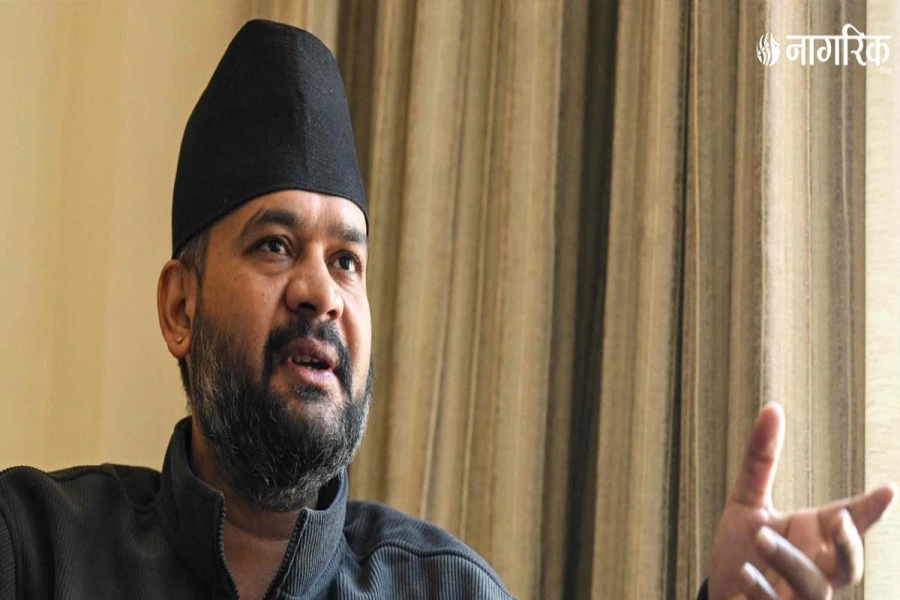
The writer is an Assistant Professor of Economics and Finance at Texas A&M International University in Texas
680anand@gmail.com
Related story
Four ministers opt not to move into ministerial quarters