

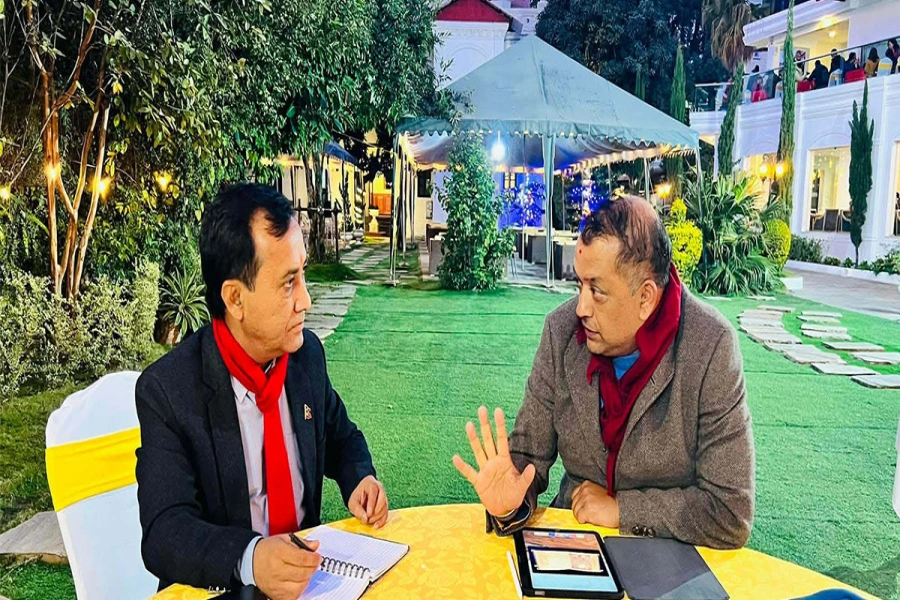
KATHMANDU, Dec 27: The 15th General Convention of the Nepali Congress (NC) has hit another roadblock, prompting General Secretaries Gagan Kumar Thapa and Bishwa Prakash Sharma to ramp up pressure for a special convention. The 49-day-long central committee meeting had initially approved a schedule to hold the convention in Kathmandu starting January 10.
From the start, meeting the timeline seemed nearly impossible. Yet, Acting President Purna Bahadur Khadka’s proposal during the Central Working Committee (CWC) meeting was passed unanimously.
'Cycle Culture in Painting' workshop organized to promote cycle...

As the planned date drew near, the key foundation for the convention—the active membership—remained unsettled, and distribution was incomplete. Party spokesperson Prakash Sharan Mahat had already indicated that the Membership Management Committee, chaired by Thapa, had not completed its work, leaving the convention date in doubt.
Almost everyone expected the convention would be postponed. On the day the CWC meeting concluded, the General Secretaries hinted that if a regular convention could not be held, a special convention would be the next step. Despite this, an application for a special convention, reportedly signed by 54 percent of delegates at the NC central office in Sanepa, Lalitpur, has yet to be placed on the central committee’s agenda.
On Friday, leaders demanding a special convention submitted a reminder letter to the party office. The letter emphasized that the special convention must be held within three months of registration if a regular convention fails to take place. Led by Debaraj Chalise, the leaders handed the letter to Party Chief Secretary Krishna Prasad Paudel, with General Secretary Thapa also present. Thapa asserted that a special general convention is not optional.
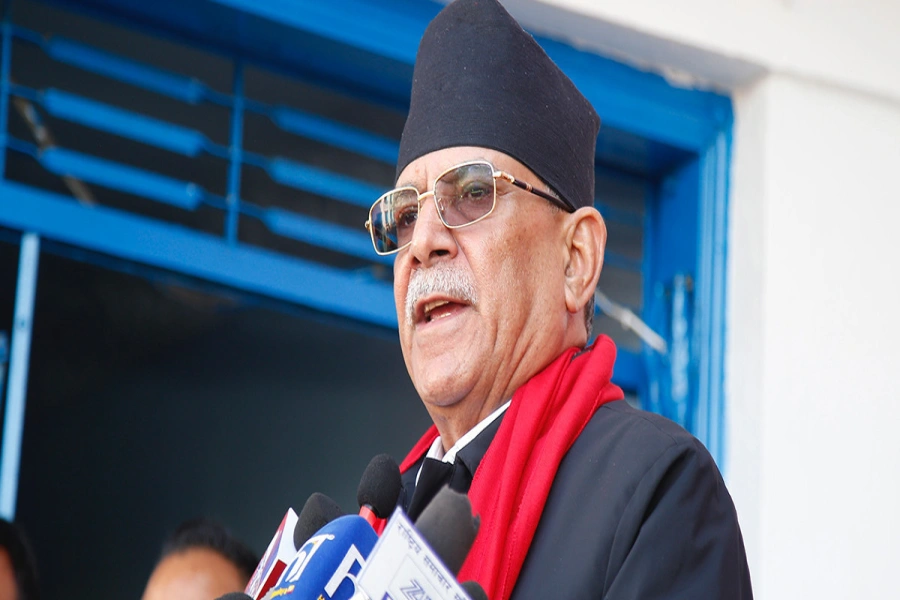
“When the special convention proposal was registered, it was agreed that holding a regular convention by mid-December would automatically deactivate it,” Thapa told reporters. “We have reached the end of December without securing the convention. This reminder has now been received. It is for the awareness of the General Secretary. Now it is our responsibility.”
A leader who left the Work Execution Committee meeting to submit the reminder alongside the General Secretaries stressed that organizing the convention and running the party office remains the core responsibility of the General Secretaries. “Unlike opposition leaders, those in charge are not supposed to merely advance personal demands or mobilize activists—they are expected to provide solutions,” he said.







-1782782519.webp)


