KATHMANDU, Dec 31: Mental health experts have warned that unaddressed stress can quietly worsen over time, making problems more difficult to manage, and have urged people to share their concerns with trusted family members or friends as a first step toward mental well-being.
The message was underscored at a mental health awareness programme organised in the capital by the National Health Education, Information and Communication Centre (NHEICC). Speakers stressed that open conversations about personal struggles are not a sign of weakness but a crucial preventive measure against serious mental health problems.
Minister for Health and Population Dr Sudha Sharma said mental health has been placed high on the government’s priority list. She noted that the Epidemiology and Disease Control Division, in coordination with the Non-Communicable Diseases and Mental Health Section, has been running a nationwide awareness campaign since the second week of December. The campaign, which will continue until mid-March, is being conducted under the slogan “Let’s Talk from the Heart.”
Upendra Dhungana, senior public health officer at the NHEICC, said the campaign encourages people to express emotions they often suppress. “Sharing concerns with relatives, family members or friends helps ease mental pressure, reduces the risk of mental health problems, supports early identification and ensures timely treatment,” he said.
Mental Health and Human Rights

However, openly discussing personal problems remains uncommon in Nepali society. Dr Pomawati Thapa, chief of the Non-Communicable Diseases and Mental Health Section, said suppressed emotions often develop into mental health disorders. She stressed that talking openly about stress and emotional struggles is vital for early diagnosis and effective treatment.
Dhungana added that sharing personal concerns not only brings emotional relief but also enables family members and friends to recognise signs of mental health issues, making it easier to seek professional help.
Senior consultant psychiatrist Dr Basudev Karki said the “Let’s Talk from the Heart” campaign was launched in response to the limited culture of open discussion around mental health in Nepal. Speaking openly with a trusted person can significantly reduce stress and help identify mental illness at an early stage, he said, adding that sometimes simply talking is enough to relieve stress.
Dr Karki also said the campaign would be particularly helpful for individuals experiencing psychological distress following the violence and destruction during the Gen Z movement.
While physical health problems are discussed openly, mental health issues are often concealed due to social stigma, discrimination and negative perceptions, Dr Thapa said. “Just as we talk about physical illnesses, we must also talk openly about mental health. Suppressing emotional struggles delays diagnosis and complicates treatment,” she said.
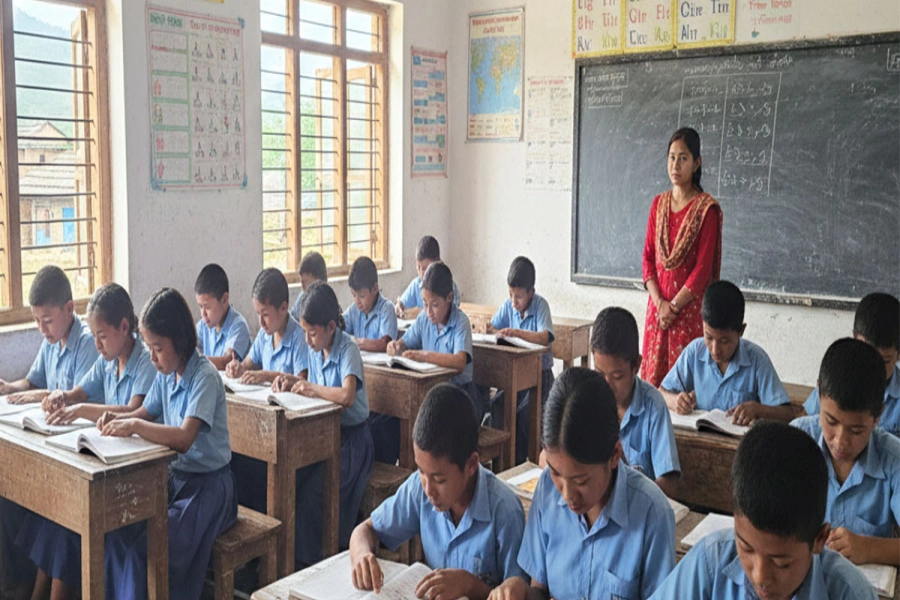
According to Dhungana, the campaign aims to foster a culture in which mental health is discussed as openly as physical health. As part of the initiative, direct and virtual discussions have been held with adolescents and youth, awareness messages are being disseminated through video content, and mental health programmes have been organised for school nurses, Dr Thapa said. Awareness efforts are also being carried out through social media platforms, while virtual counselling will be provided to individuals injured during the Gen Z movement and their family members.
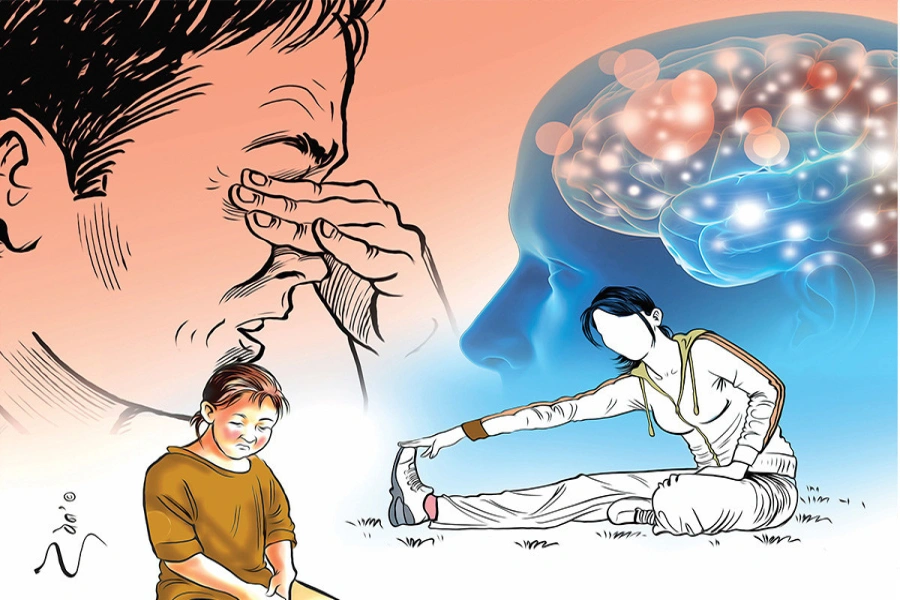
The National Mental Health Survey 2020 shows that 4.3 percent of Nepal’s population has mental health issues, while 5.2 percent of adolescents suffer from some form of mental disorder. International data indicate that one in 10 people globally experiences a mental health problem. Experts estimate that 4–5 percent of Nepal’s total population faces mental health issues, while police data from the last fiscal year show that nearly 6,000 people die by suicide annually. Experts also say one in every five children suffers from some form of mental health problem.