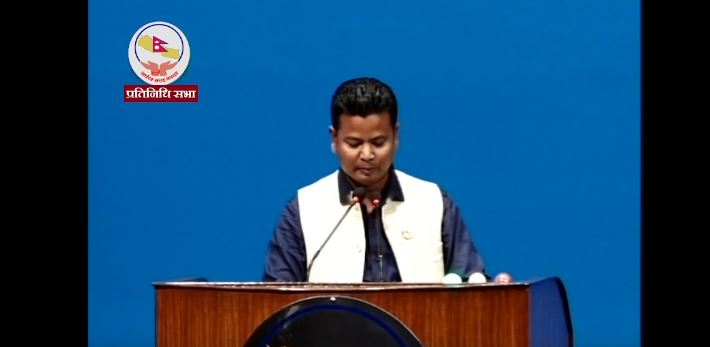
Furthermore, over four dozen elected Constituent Assembly (CA) members, who are involved in writing a new constitution, have also taken their oath in Hindi. And there are already demands in the CA to recognize over a dozen languages, Hindi being one of them, as the state’s official languages. These demands have come in response to real or perceived suppression of the languages, culture and religions of various ethnic groups in the past. In other words, the demands are central to the recognition of the various identities that people subscribe to.
When a court passes its verdict on such a sensitive and complicated issue strictly on the basis of constitutional provisions, it somehow fails to do justice to it. The best thing that the SC could have done was to defer the issue until we had a new constitution, which would resolve the linguistic row, taking into account the emerging realities of society.
There is no straightforward and simple answer to the current row. On the one hand, the issue is inseparably linked to people’s identity, something the state must recognize and respect and, on the other hand, there are practical issues such as how feasible it would be to have over a dozen official languages. If it’s a question of just symbolically elevating them to the status of official languages, there should not be much of a problem, and hence there should not be any hesitation either. However, if it’s a question of using them as languages for the day-to-day functioning of government offices, there should be a healthy debate on how to go about it, what the resources needed for this are, and finally, whether it is worth those resources and the energies that this would require. That’s the issue we all should resolve with full honesty and an open mind.
Related story
Pak embassy organizes poetry symposium — Aalmi Mushaira: Urdu,...