Photo Courtesy: Nabin Baral/ ICIMOD
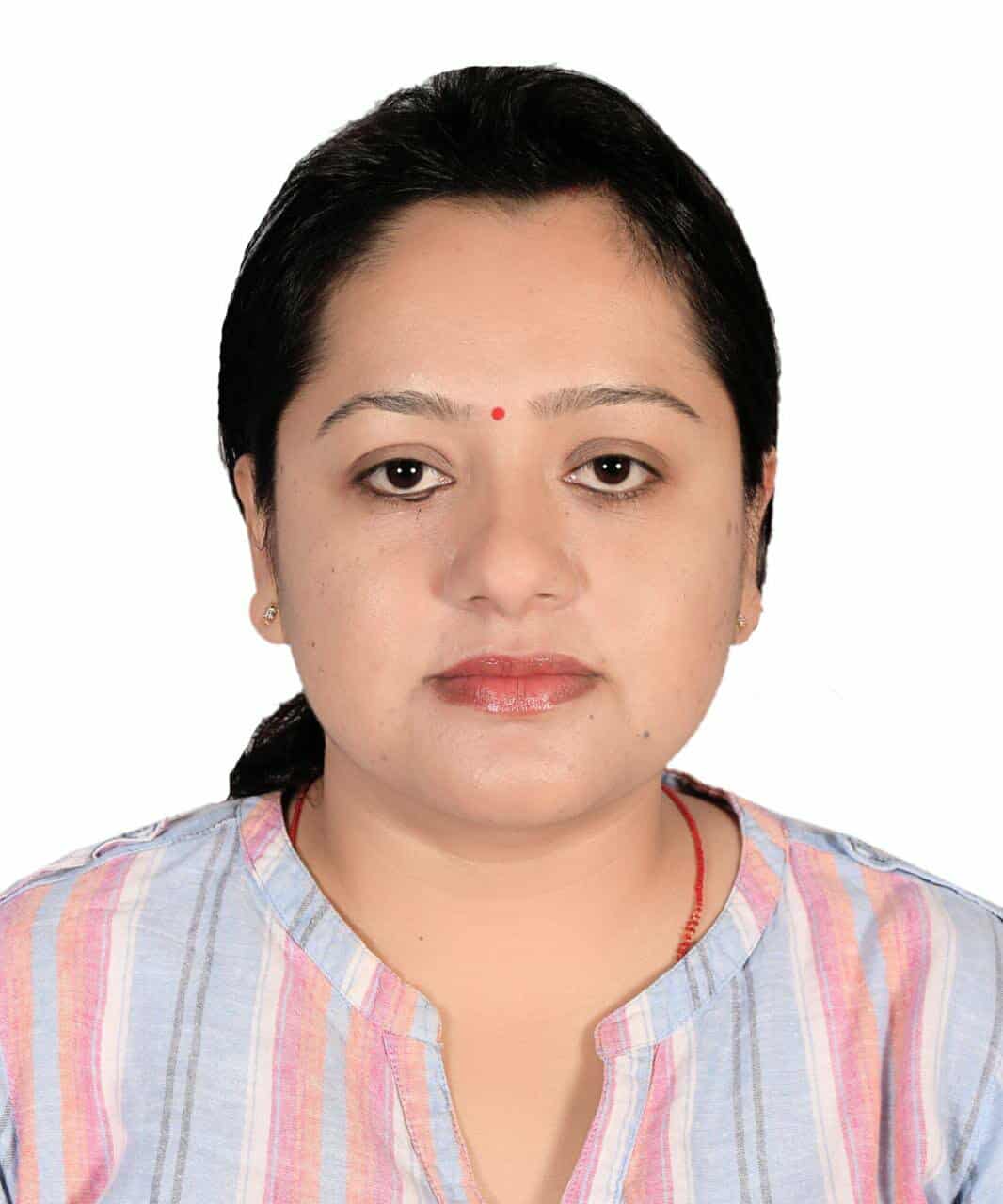
Using compensations provided by the government, Samitra Devi’s family rebuilt their home and sent their son to Saudi Arabia for work. Not having realized that his earnings would be inadequate, his work duties would be unbearable, and his treatment would be cruel, her son returned within months. Without the skills or education to pursue off-farm work, Samitra Devi and other women from her village stayed home, dependent on the income male family members earned as seasonal laborers in Indian towns just over the border, although even these earnings were not always sufficient or sustainable. During this time, Samitra Devi and the other women in her village were extremely vulnerable and struggled to protect young girls from lurking traffickers.
Left with no options and realizing that the removal of sediment—which requires long-term engineering strategies and substantial financial resources—would not be an option to reclaim the land, Samitra Devi took the land’s revival into her own hands. “This land gave us life and our livelihood, and now it’s our turn to bring life back into the land,” she said. Samitra Devi motivated other women in the village and together they initiated collective vegetable cultivation plots in portions of the sedimented soil. After four years, much of the flooded land remains barren, yet through the hard work of these women, patches are coming back to life. Samitra Devi is now able to harvest some produce from the land, bringing dignity and a sense of normalcy back to her family.
This is the story of thousands of women in Nepal affected by floods, forced to take on new roles as household heads and rebuild their families after men temporarily leave home in search of income. While taking on new tasks, these women must still attend to their usual responsibilities, made even more grueling and protracted in the aftermath of flood. However, even as they take on more activities and greater responsibilities, most institutions undervalue their contributions to the economy, whether through agricultural work, domestic work, or home-based livelihoods and small businesses, because key decision making power usually rests in the hands of men.
Furthermore, existing disaster relief frameworks often fail to recognize and support the contributions of women, which, as in the case of Samitra Devi, are crucial not only to their families’ survival, but also for the farm ecology and food security of their communities.
There is no dearth of eye-witness accounts of women, especially those from poor communities, who have shown enormous resilience despite the disproportionate amount of challenges they face after disasters. However, just because they are resilient does not mean they should be left to fend for themselves. In the absence of an overarching international legal framework that protects the rights and dignity of disaster-affected populations, the fate of millions of disaster-affected women around the world depends on the discretion of local authorities, the capacities of humanitarian agencies, and existing disaster management policies and practices.
Common models of post-disaster intervention have yet to adequately recognize women-specific needs and vulnerabilities in the aftermath of disaster, which include a greater risk for abuse and trafficking, lack of compensation for the loss of home-based livelihoods, and maternal and reproductive health care requirements that are often ignored. They have also failed to capitalize on women’s unique capacities in risk reduction and disaster recovery.
Every October, countries around the world commemorate the International Day for Disaster Reduction. This year’s theme, ‘Women and Girls: The Invisible Force of Resilience’, is meant to remind us of the strength and value that women and girls like Samitra Devi bring—both in reducing the impact of disasters, for example by preparing their own families and communities, and in disaster recovery. Although their contributions are often overlooked and they experience disproportionate challenges after catastrophic natural disasters, women have a key role in bringing families and communities back to normalcy, and it is time that their potential be better recognized and utilized.
Samitra Devi’s story is as told to Anita Karki Khadka, ICIMOD. The author is a Disaster Risk Reduction Specialist at ICIMOD
Related story
Little Angels’ hosts fourth LAMUN