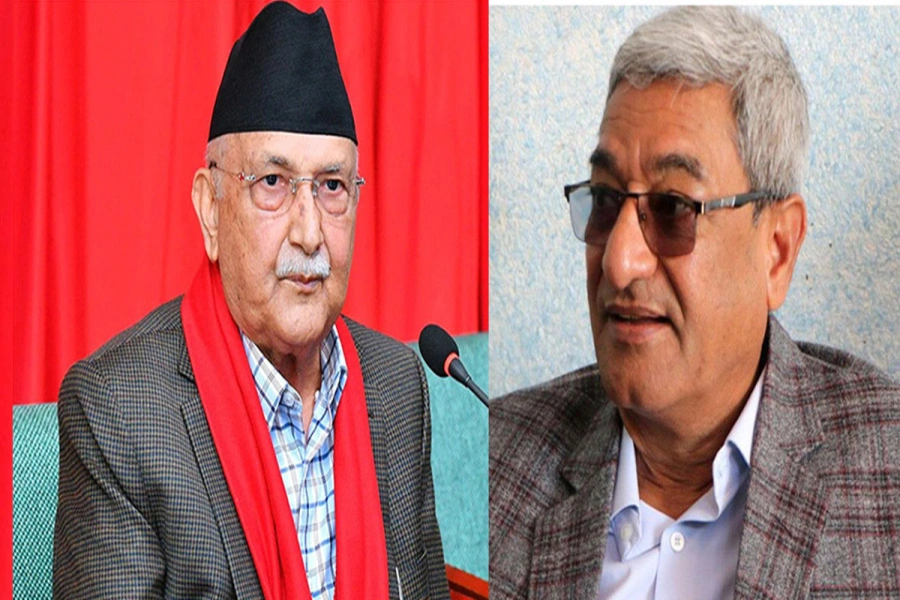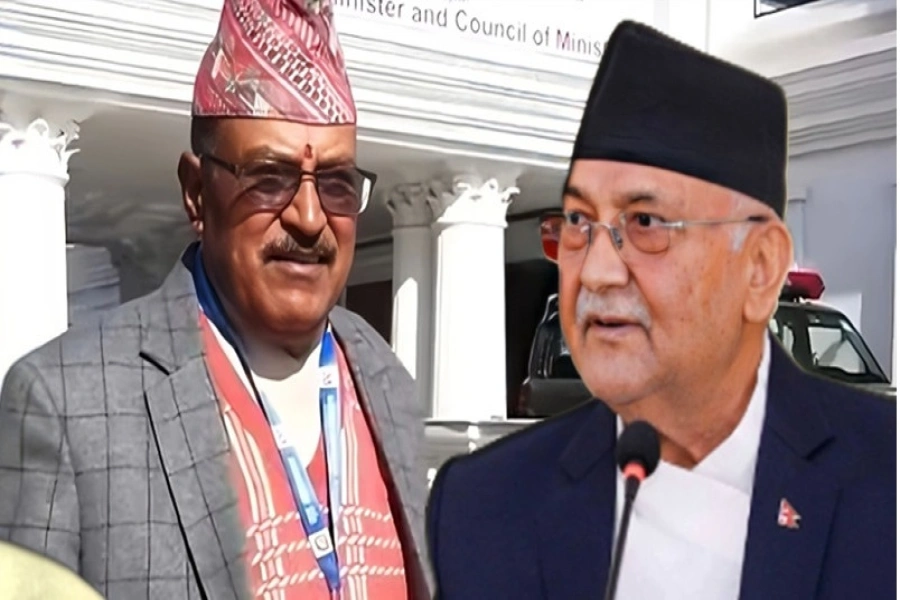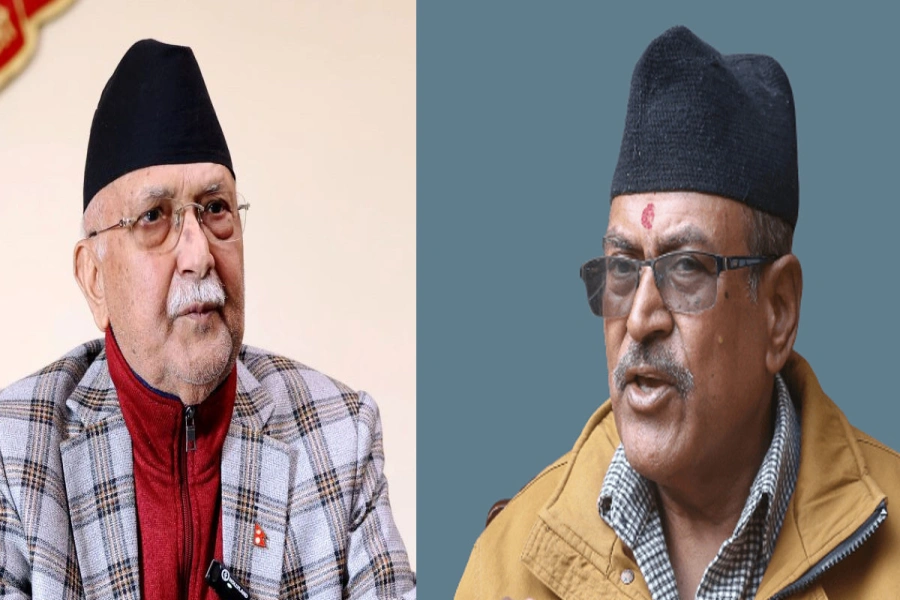
KATHMANDU, Jan 5: The investigation commission formed to probe the September 8 and 9 Gen Z movement has finally recorded a written statement of former prime minister and CPN-UML Chair KP Sharma Oli, marking a major milestone as the inquiry nears completion.
Commission member Bigyan Raj Sharma told Republia that the commission recorded Oli’s written statement at his temporary residence in Gundu, Bhaktapur, and that the process took nearly two hours.
“We have recorded his statement in written form,” Sharma confirmed.
Kathmandu Mayor Balen Shah submits written statement to Karki-l...
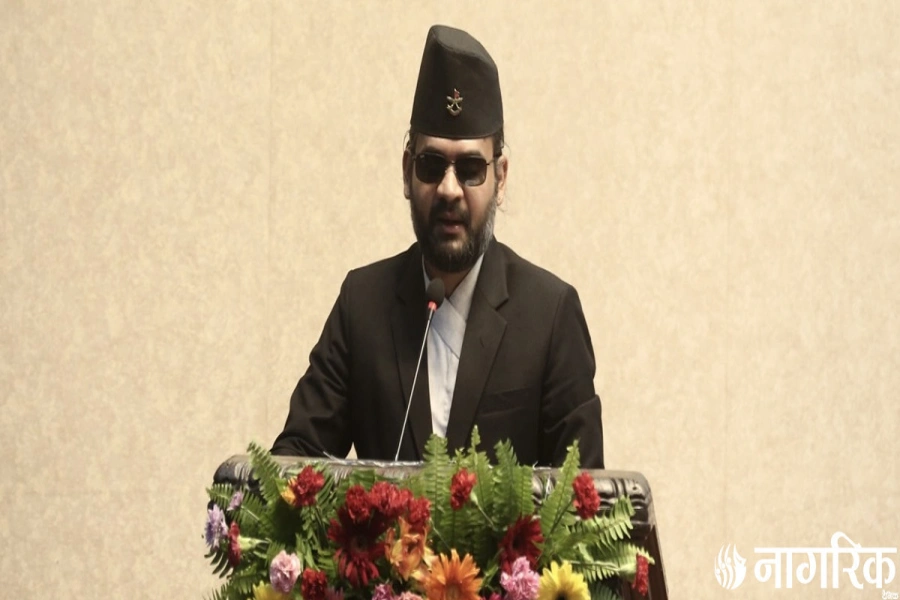
The commission had earlier sent a formal letter summoning Oli to appear before the commission’s office in Singha Durbar. Upon receiving the letter, Oli agreed to present his version, though not at the commission’s office. The commission subsequently visited his residence to record the statement.
Oli had previously questioned the credibility and impartiality of the probe commission and had refused to appear before it. In earlier public remarks and a television interview, he had even declared that he would not record his statement even at the cost of his life. However, he later softened his stance and agreed to welcome the commission team at his residence in Gundu.
The commission has maintained strict confidentiality regarding the contents of the interaction. However, sources said around 60 questions were put before the former prime minister, focusing on the decisions, chain of command, and political circumstances surrounding the protests that later turned violent.
The three-member commission, headed by former justice Gauri Bahadur Karki, was formed by the government led by Prime Minister Sushila Karki to investigate the causes of the Gen Z protests, assess material and physical losses, examine the use of force, and study the broader political and social impact of the movement.
Before recording Oli’s statement, the commission had already taken testimony of former Home Minister Ramesh Lekhak, senior officials from all four national security agencies, and the then Chief District Officer of Kathmandu. Lekhak, who had earlier accepted moral responsibility for the loss of lives during the crackdown, later clarified in a written submission that he had not ordered security forces to open fire during the protests in which 74 people were killed.
The commission has also sought written explanations from former prime ministers Sher Bahadur Deuba and Pushpa Kamal Dahal, focusing on their accounts of how the events unfolded during the peak of the protests.
Despite Oli’s long-standing criticism of the post-Gen Z protest government as unconstitutional and his repeated doubts about the commission’s neutrality, his cooperation is being viewed as crucial for the credibility of the probe. The commission holds quasi-judicial powers, including the authority to issue arrest warrants, impose travel bans, and hold passports if necessary.
A writ petition challenging the commission’s impartiality was recently dismissed by the Supreme Court, clearing legal hurdles for the panel to complete its work.