Officials of National Planning Commission (NPC) - the apex policy making body of the government -- said that some of the indicators used to measure MPI do not harmonize with Nepal´s local context to give realistic picture. [break]
The MPI, developed as a new international measure of poverty by Oxford Poverty and Human Development Initiative (OPHI), assesses the nature and intensity of poverty at the individual level. Its report launched recently had identified poverty in Nepal standing at 65 percent, which was much higher than what the government says.
This had spurred widespread debate among NPC and development experts.
However, Dr Sabina Alkire, professor at Oxford University, attributed the difference in outcome to difference in methodology used to measure poverty.
MPI uses indicators like nutrition and under-5-child mortality to measure access to health and child enrollment and years of school to measure education.
Likewise, it takes into account asset ownership, cooking fuel, floor, water, sanitation and electricity for measuring the standard of living.
“People living in MPI poverty may not be income poor,” said Dr Alkire.
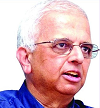
Dr Jagadish Chandra Pokharel, vice chairman of NPC, suggested OPHI to be sensitive to the limitations of the developing countries while finalizing the index as it could largely undermine the efforts and achievements made by Nepal in poverty reduction.
“The measure should motivate policymakers, instead of confusing them,” said Pokharel.
Related story
Poverty: A Multidimensional Problem, Nepalese Context


-1200x560-1782120651.webp)