

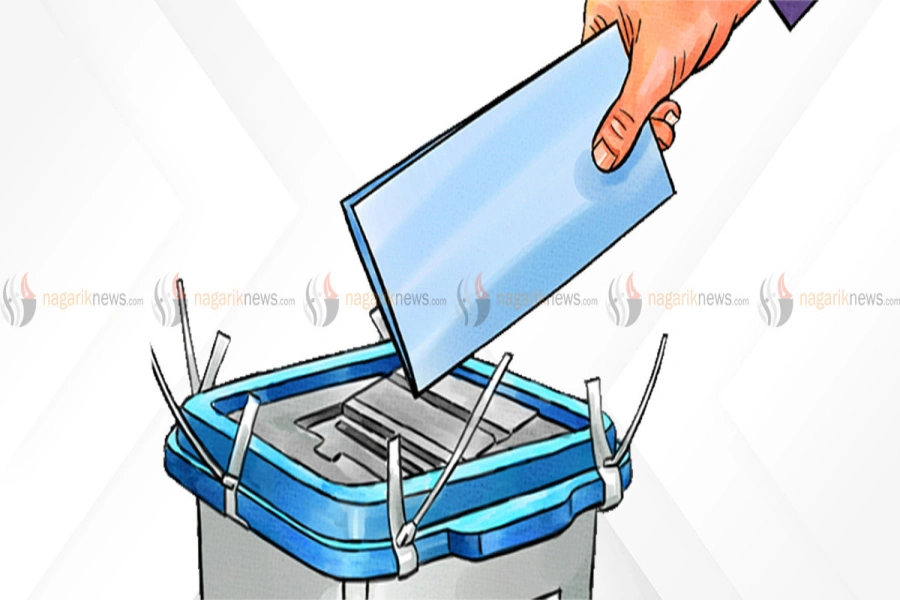
Holding free and fair elections in the aftermath of the Gen Z uprising has brought the derailed nation from the constitutional path back on track. There was fear among the people that the constitutional vacuum created after the overthrow of the coalition government led by KP Sharma Oli would give space to regressive forces to maneuver and reinstate monarchy. Ignoring the naysayers and the schemes of regressive forces, the present interim government led by Sushila Karki deserves the applause of the people for successfully holding snap elections in a peaceful way. The government formed in the aftermath of the Gen Z protest was being attacked from all sides. Oftentimes, it was very disheartening to see the Gen Z groups themselves berating their own chosen government. There were many who wanted to see the government fail rather than succeed in holding the elections, but against all odds, it has been successful in safely landing the interim transitional period.
On March 5, when the country went to the polls, the dance of democracy was in full swing. Apart from minor incidents, elections happened peacefully across the country. It was a reverential moment to behold when a differently abled woman in Rolpa dragged herself to a polling booth to cast her ballot. This shows the faith of common people in the democratic process. Even though close to 60% of voters exercised their voting rights, which is way below in comparison to previously held polls, the enthusiasm seen on voting day was remarkable. It seems that after the establishment of democracy in 1951 and its restoration in 1990, democracy has matured in Nepal.
Rastriya Swatantra Party (RSP) and Nepali Congress (NC) under its young Turks were seen as major contenders in the recently held snap elections. It was expected that the two parties would have fierce competition in the elections, as both parties had projected a young face as prime ministerial candidate, but the final tally of the polls shows that people have revolted against the old established parties by giving a super majority to RSP. This is the third time in the history of Nepal’s parliamentary elections that people have overwhelmingly voted for one political party in an election. BP Koirala became the first democratically elected prime minister when Nepal Congress secured a two-thirds majority in the parliamentary election held in 1959, winning 74 out of 109 seats with 38% vote share. The second time any party or coalition secured a super majority was in 2017 when the Nepal Communist Party (UML) and Maoists fought the election together as a coalition, promising to merge the party after the election. This is the third time in the history of Nepal that Rastriya Swatantra Party has secured a landslide victory, winning 182 seats out of 275 in a mixed and complex electoral system.
International Dance Day 2021: Who started it? Why is it celebra...

There are many underlying reasons why people have voted overwhelmingly for RSP’s iconic bell election symbol. First, this election was not periodic but a snap election declared after the dissolution of parliament owing to last year’s Gen Z-led uprising. It was very heartbreaking to see students in uniform who were just protesting against the government’s reckless decision to ban social media apps gunned down like terrorists in front of the parliament building. When arson and vandalism took place against private and public property on 9th September, it was targeted predominantly against the established political parties and their rent-seeking leaders. The mandate given by the people to RSP in this election is the continuation of the same revolt that erupted last year. People living abroad also played an important role in shaping the narrative that all old parties are tried and tested; therefore, a newly emergent party like RSP should be handed the reins of governance. Even though many migrant workers couldn’t return home for voting due to escalating warfare in the Middle East, they asked their kith and kin to vote for RSP. If a voting provision had been made for non-resident Nepalis in this election, RSP would have won more seats, as people working abroad for bread and butter think that because old parties failed to create job opportunities in the country, they are forced to work under precarious conditions overseas.
Through my conversations with people, I could sense that the recently held election was fought not on ideological leaning and pledged election manifestos but on the narrative that all established parties are the ones that have created all kinds of mess in the country, and RSP was projected as a messiah. Of course, the craze for Balendra Shah and RSP’s algorithm-driven election campaign on social media shaped the narrative so powerfully that even political heavyweights faced humiliating defeat, some even losing their security deposits.
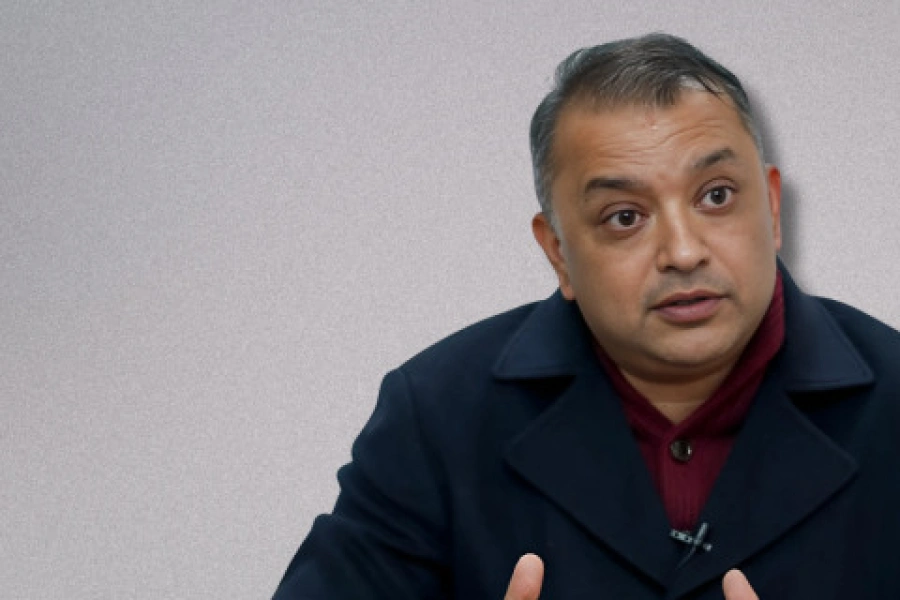
Nepali Congress (NC), projected as a transformed party in this election after its young Turks revolted by electing young faces in leadership through a special convention, couldn’t fare well due to infighting within the party and failing to take its message of transformation to the grassroots. The election happened 50 days after the young Turks assumed the leadership of the old party; that may be another reason why they suffered this humiliating defeat in the election. The momentum created by RSP in their favor, both physically and virtually, was too strong for the party to fight against, given its history of factional politics. But it is very saddening to see a politician like Gagan Thapa, who fought many battles for democracy and the republican order, losing the election in the same district where his own party was born, in Sarlahi.
As the old parties are decimated in these elections, they now have ample opportunities to revamp themselves. Political parties and their coteries have long abused all the state organs in the country, giving rise to poor governance, corruption, and nepotism. Therefore, reorienting and reinventing themselves under the changed context and rising aspirations of the people is the only option left if they want to remain relevant in the coming days; otherwise, gone are the days of doing politics in the old manner.
The tsunami-like results secured by the Rastriya Swatantra Party in these elections have given them the needed numbers and overwhelming mandate to overhaul the governance of Nepal by bringing timely reforms in all sectors. The history of Nepal shows that simply securing a super majority through an election is not enough to stay in power, as the first democratically elected government of BP Koirala with an overwhelming majority was deposed by then King Mahendra due to his personal ambitions. In 2017, when the coalition between UML and Maoists secured near two-thirds majority in the elections, parliament was dissolved twice on the recommendation of KP Sharma Oli due to his tussle with Pushpa Kamal Dahal.
Therefore, RSP leadership should learn from all these political fallouts and guard the leadership with humility. For many, RSP is more like a coalition between its chairperson Ravi Lamichhane and senior leader Balendra Shah, who is punchy and volatile with just three years of experience in local governance. How these two leaders harmonize their relationship and build mutual trust between them will determine the longevity of the new government. Let’s hope this overwhelming mandate given to RSP by the voters for change and reform does not become a curse of the majority for the country.



-1782782519.webp)


