

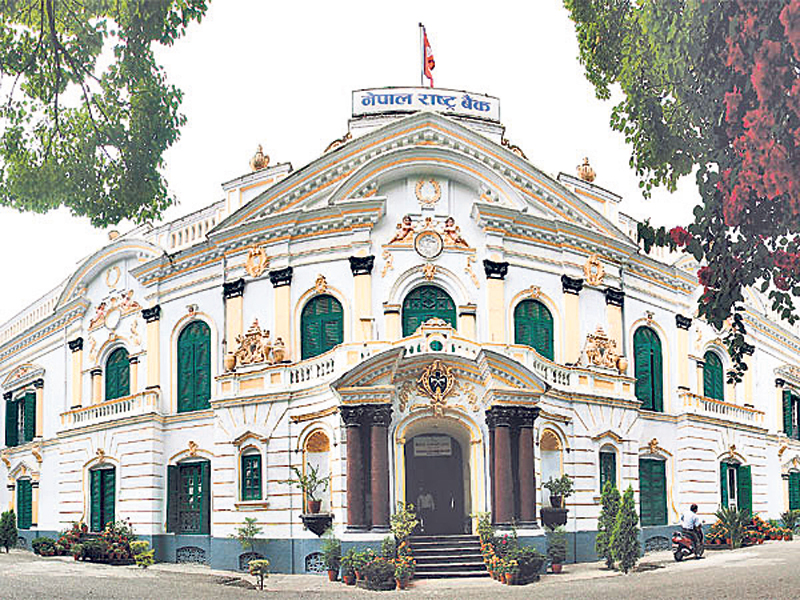
Setting aside the issue of corporate governance, the whole crisis is linked with just one dubious loan and we believe it could have been managed without any visible ill effects. However, the way NRB acted has added to the downward movement of the bank. Over the last three days, depositors have already withdrawn millions and even more are flocking to the bank to make withdrawals.
It is quite obvious that people rush to the banks when they perceive that their hard-earned savings are at risk. This has happened several times in the past. However, unlike in the past, NRB this time blundered by pronouncing GDB a troubled bank but not doing anything to reassure depositors that their savings were safe. Only when the situation took a nasty turn at the end of last week did it came out with a statement saying that “the bank’s financials are sound, it can return depositors’ money, and there is no need for depositors to panic”.
If the bank was not in trouble, had sound financials and was in a position to return deposits, why did NRB rush to declare it a trouble bank. This reflects nothing but a huge hole in its capacity to foresee trouble and deal with it with sensitivity. It is not what we expected from NRB, particularly given that people have burdened themselves with a huge debt to enhance its capabilities. NRB has let down Nepalis from Kathmandu to Karnali.
What is also troubling, in the meantime, is that GDB till a month ago had neither featured in the list of non-compliers nor faced any prompt corrective action. And suddenly last Friday the central bank pronounced it a troubled entity. How was that possible? Clearly, there is something missing in the narrative. And this undisclosed gap raises questions over NRB’s supervisory role. Worse still, a question also arises as to whether such a gap exists in the case of GDB alone or is it more widespread? We seek an answer why NRB remained blind to the state of affairs at GDB.
The GDB case has two good lessons for financial sector players. First, it has taught us all how fast bad corporate governance can eat away public trust and confidence in an institution. Secondly, a financial institution is no place for political intervention. Had the bank not reinstated DB Bamjan under pressure from a Maoist lawmaker, its situation today would have been rather different. Hence, we urge NRB and all financial players to take prompt steps to do away with the current shortcomings.
Related story
Revised interest rate corridor system introduced















-1200x560-1779450784.webp)

