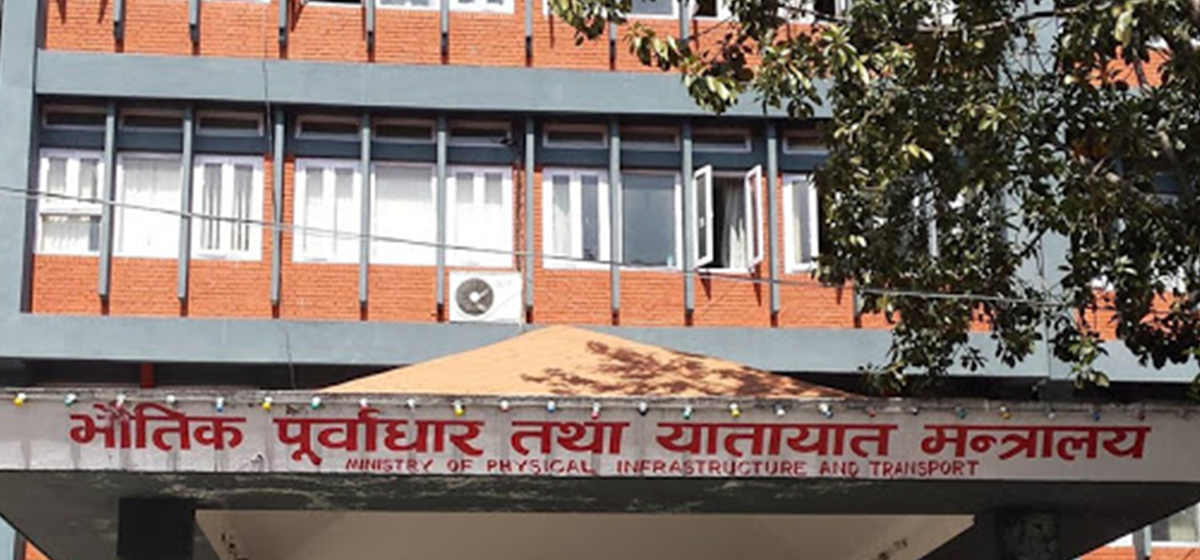
According to Spokesperson at the Ministry of Land Reform and Management (MoLRM) Krishna Bahadur Raut, altogether 434,848 families have applied for recognition as landless squatters. [break]The High-Level Landless Squatters´ Problems Resolution Commission had called for applications in the districts in February and March. The commission had launched the drive in its bid to identify landless squatters.
The commission saw the highest number of applications from Kailali while Sindhuli saw the lowest number of applications. Altogether 79,000 families in Kailali against 900 families in Sindhuli have applied for recognition as landless squatters. Similarly, the number of applications from Bardiya and Rupandehi were 44,000 and 40,000 respectively. The number of applications from Rautahat and Dang were 22,000 each.
According to the data, 21,000 families in Sarlahi and 20,000 families in Morang have claimed for recognition as landless squatters.
Banke, Nawalparasi and Jhapa each had received 18,000 applications while Chitwan and Bara received 15,500 applications each.
Likewise, 15,000 families in Sunsari, 13,000 in Siraha, 10,000 in Parsa, 9,600 in Makawanpur, 9573 in Kapilvastu and 8,225 in Saptari have applied for recognition as landless squatters.
Also, 8,000 families in both Dhanusha and Mahottari, 5,788 in Surkhet, 6,200 in Kaski, 5,062 in Kanchanpur and 2,500 in Udayapur have also applied to the commission.
The Landless Squatters´ Problems Resolution District Committees in the 25 districts had collected the applications. The district committee comprises VDC secretary, political representatives, non-governmental organizations, teachers and journalists.
Raut said the district committees have started the process of verifying the landless squatters.
"Once the verification process concludes, the actual number of landless squatters´ families would be known," said Raut, adding, "The data will be helpful to the government in providing various facilities, including social security, to such families."
The government had formed an 11-member commission headed by Bhakti Prasad Lamichhane in December last year.
The commission has been entrusted to distribute identity cards to the landless squatters´ families after finding their actual number and distribute land to such families in their respective districts.
The government plans to provide five to 10 kattha land to each landless squatters´ family in villages and five to 10 dhur to each such family in the urban areas.
The committees will study records at the land revenue offices to find out if such families own land.
According to officials, there are three kinds of landless squatters: those who have always remained landless, those who have been using small plots of public land and those who have been using sufficient public land but don´t have the ownership.
Though the tenure of the commission will expire in mid-July, the government is likely to extend its term, said a source at MoLRM.
Related story
SC tells government not to distribute forest area to landless s...