

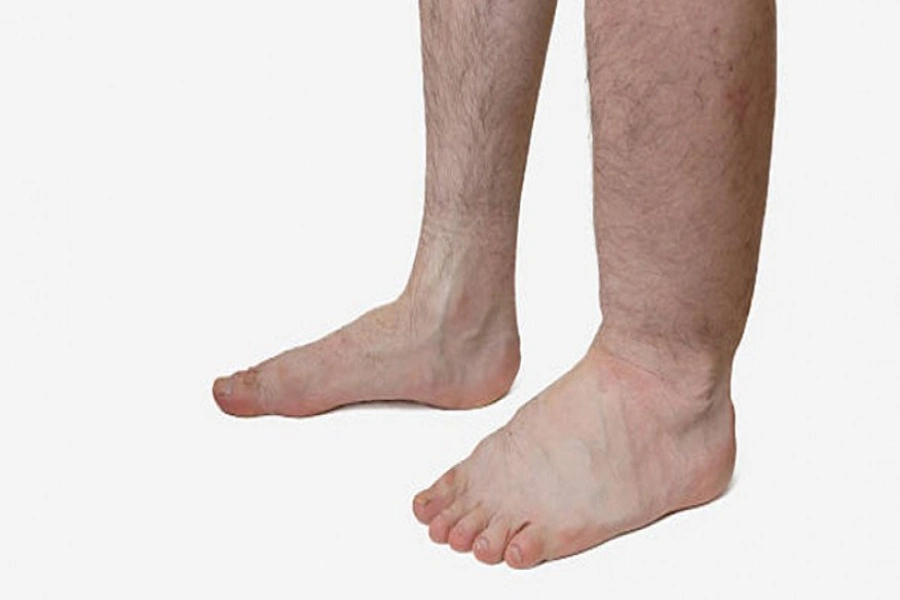
The campaign is part of the government's plan to contain elephantiasis infection in the country to one percent by 2020, the DHO said. "Apart from children below two years of age, pregnant women, epilepsy victims, and individuals who have been under medication for a long time for various illness, everyone else will be provided medicine against elephantiasis," informed Dr Gun Raj Awasthi, chief of the DHO.The DHO has started giving training to health workers and volunteers for the three-day campaign and informed that over 1,400 people including health workers and volunteers will be mobilized for the campaign.
"If people consume medication against elephantiasis only once a year for six years, they would be risk-free from the disease for the rest of their life," said Santosh Panday, health assistant at the malnutrition and famine section of the DHO.
One tablet dose is prescribed for children of the 2-5 years age group, three-tablet dose for 6-14 years age group and four-tablet dose for individuals above these age groups.
Responding to misconception about the drug, Dr Awasthi said that the drug is safe. "Many hesitate to consume the medicine due to a misconception that it would have severe side-effects," said Dr Awasthi. "The medicine might have simple effect for a short period. Apart from that, however, it has no other effects."
According to health workers, the side effects of the medicine normally include nausea, headache, fever and stomach ache. However, it will wear off within a short period. Those who are infected with the disease might have stronger side effects.
Doctors estimate that 13 percent of the country's total populations have been infected with elephantiasis. The infection has plagued 61 districts of the country and about 250 million of the country's population are said to be at risk of the disease.
Related story
Elephantiasis virus found in Narayansthan and Kushmisera in Bag...


_20220312102535.jpg)










-1200x560-1779450784.webp)


