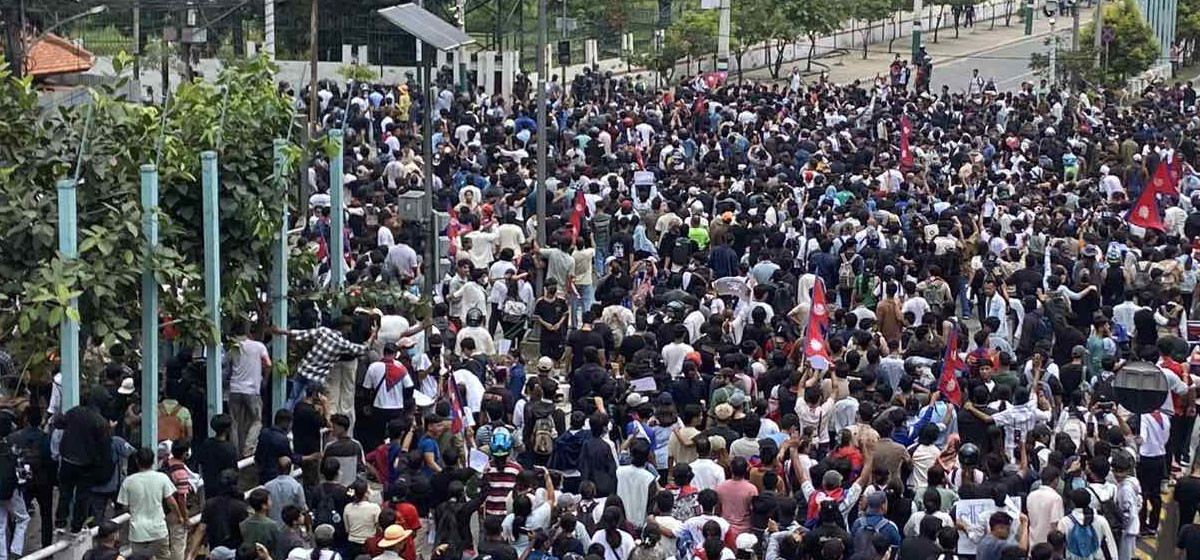
In the aftermath of the 10-year-long Maoist conflict, it has become a custom in Nepal to demand martyrdom and compensations for those who lose their lives (deliberately or not) in all kinds of violent activities. This is the reason the government feels compelled to declare anyone deemed worthy of martyrdom by a political party or a special interest group as martyrs. According to Home Ministry, 102 people have been conferred martyrdom post-2006. This is excluding over 7,000 Maoist leaders and cadres declared martyrs by the Pushpa Kamal Dahal government in 2009.
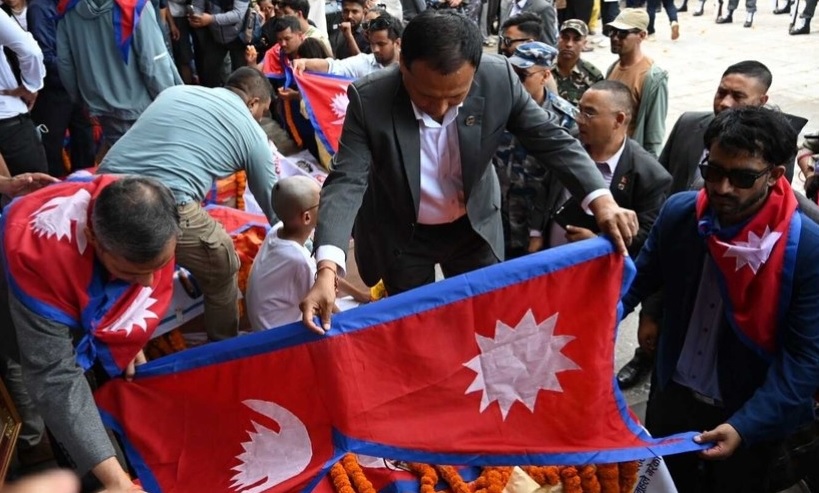
The latest in line of official martyrs is late Supreme Court Justice Rana Bahadur Bam, who was shot dead on May 31 by unidentified gunmen. Bam was declared a martyr despite the fact that he had been stripped of his responsibility as an SC judge pending verdict on corruption cases against him. The government decision is in clear breach of the existing criteria on martyrdom settled by the government in December, 2010. For a person to qualify as a martyr, s/he must have fought for truth and righteousness, according to the criteria. Similarly, such a fight must not have served his/her own vested interest. Perhaps most important criterion is that one can be called a martyr only if he/she chooses death over life when offered the choice between the two. Bam met none of these criteria. Nor have most of the others declared martyrs since 2006 and, we suspect, many of the 7,000 ex-Maoist leaders and cadres declared martyrs en masse.
We are not against the concept of martyrdom per se. Those who willingly put themselves in the harm’s way for the greater good of their society and country do indeed deserve the highest honors. But the ad hoc basis now being applied to declare martyrs not only undermines the contribution of real martyrs, but is also as strong an indication as any of the state’s failure to maintain law and order. The resort to ad hoc declaration of martyrdom, instead of making genuine effort to improve the country’s security situation is, we are afraid, a cop out of the state’s responsibility towards the citizens. Particularly, the decision to declare 7,000 ex-Maoist personnel martyrs without any checking of their background set a worrying precedent. Given this dismal state of affairs, the norms worked out by the government in 2010, though not flawless, are certainly better guide to settle on genuine martyrs. Sadly, as the case of Justice Bam indicates, political expediency all too often trumps rigorous implementation of the law.
Related story
17 Palestinians martyred in Israeli bombardment of Gaza