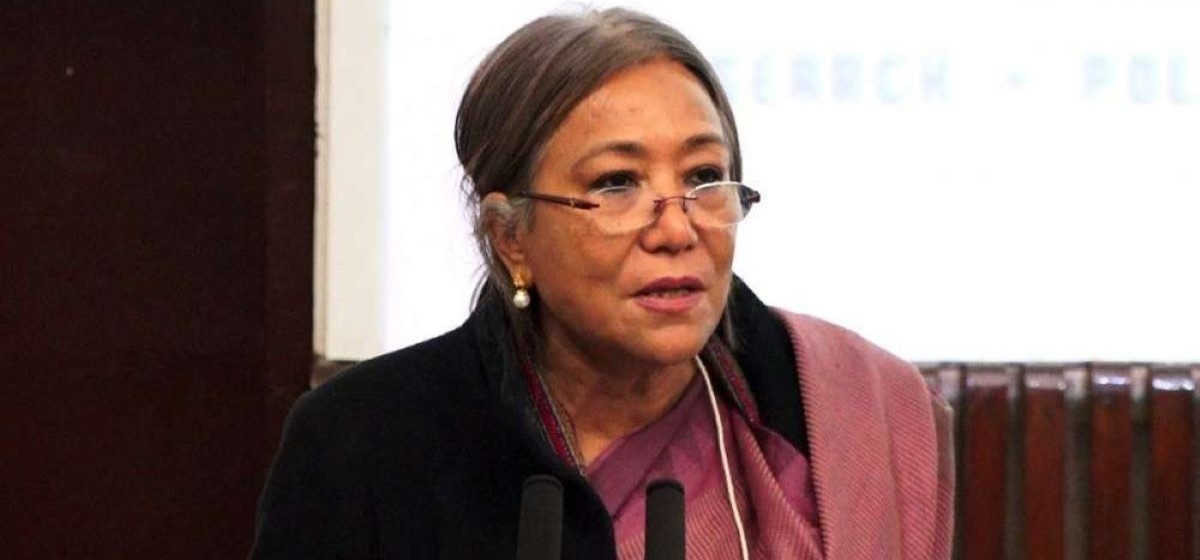
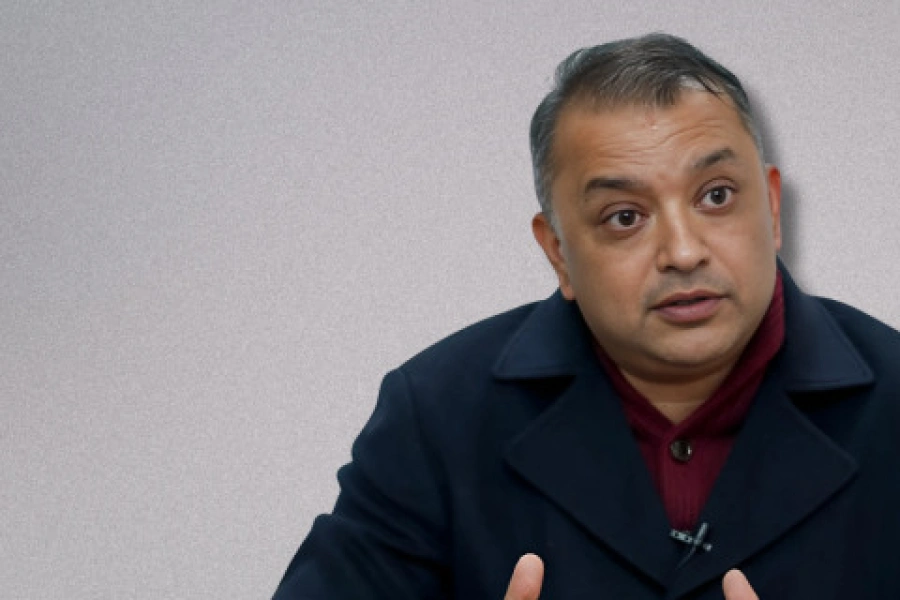
As the two Maoist parties marked the 14th ‘Day of the Disappeared’ on May 21—the day in 1999 when four CPN (Maoist) central committee members went missing from Tebahal, Kathmandu—the two sets of leaders must have felt a pang of guilt. Guilt at not being able to bring justice to hundreds of families whose members put their lives on the line for the ‘great cause.’ According to Maoist sources, 1,085 people ‘disappeared’ by the state during the 10 years of insurgency remain unaccounted for. This is in addition to around 300 who were disappeared by the rebel forces. The leaderships of both UCPN (Maoist) and CPN-Maoist are in a Catch 22 situation. On the one hand, they have pushed for an ordinance that more or less guarantees blanket amnesty for all human rights violators from the conflict period. This is being done to save their own skin; more than a few of them are likely to be in the dock if all conflict-era cases are properly investigated. On the other hand, such an ordinance absolves state forces, primarily Nepal Army, of any wrongdoing during the bloody conflict, which is unacceptable to the families who have been looking for a closure, a day when the whereabouts of their loved ones will be made public and they can move on.
It had started to appear that the major political forces who settled on the ordinance would have their way. Although Nepali Congress and CPN-UML initially appeared to be opposing blanket amnesty, they were also never serious about bringing serious rights violators to book. For in doing so, they would have to initiate charges against some of their own leaders who tried to suppress the budding insurgency from their powerful positions in the government. Nor were they willing to stand against the perceived interest of the Nepal Army, which has emerged as by far the strongest state organ in post-2006 dispensation. But no sooner had the President given his stamp of approval to the controversial ordinance, the Supreme Court stepped in and issued a stay order against its implementation. The court rightly feared that the ordinance would grant amnesty to perpetrators of serious crimes from the war era. The same fear was palpable among the international actors who had been pushing the parties not to proceed with the flawed ordinance. Following the apex court stay order, the case of credible transitional justice mechanisms is once again in limbo.
We believe a middle way has to be found. We agree with the recommendation of OHCHR Nepal made through its Nepal Conflict Report (published last year) that the whereabouts of the disappeared must be made public, there should be prosecution of emblematic cases involving those responsible for the worst offences, and reparations in line with international law must be sought for the victims. This is bare minimum in order to give victim families a sense of closure. Highly idealistic solutions that threaten to open up old wounds, as some of our international friends have been pushing, must be avoided. There are no easy fixes. Nor would one be desirable in this case.
Related story
Transitional Justice in Nepal: Justice Delayed, Collective Cons...