

Magar, who was hired to transport a wedding party, was kicked off the hood of the bus at Surunga of Jhapa when he climbed the vehicle to request passengers to get inside. The barbarism didn’t end there. Trespassing all lines of humanity, some of the 20-odd passengers traveling on the hood got down and lynched the injured Magar to death. The bus had commenced its journey from the bridegroom’s house at Ghailadubbba of Jhapa and was on its way to Govindapur of Morang some 60 kilometers away.
While we don’t want to read too much into the unruly incident, it does point to a growing tendency to resort to violence to settle disputes. In a very subtle way, the incident also shows how people in the country have completely stopped fearing the police. There is a feeling in a lot of people that they can do almost anything and yet get away with it. And the police itself has to largely take the blame for such a perception toward it. When it fails to take action against offenders more often than not, people will ultimately begin to see it as a toothless tiger. The onus of improving its image lies on no one but itself.
As it often happens when similar unfortunate incidents occur in Nepal, there have been calls to declare Magar a martyr, which is nothing but weird. The government, which has already set an extremely bad precedent by declaring every other deceased person a martyr in the past few years, must not succumb to such pressure. Having said that, Magar’s family must be given a decent compensation. While no monetary compensation can heal the wounds of the traumatized Magar family, it will at least help his wife Ambika to carry on with her life and secure her one-and-a-half-year old son’s future. Meanwhile, the police must narrow down on the culprits, who should be meted out the strictest punishment in accordance with the laws of the land. The penalty must serve as an example to others to refrain from such barbarism in the future.
Related story
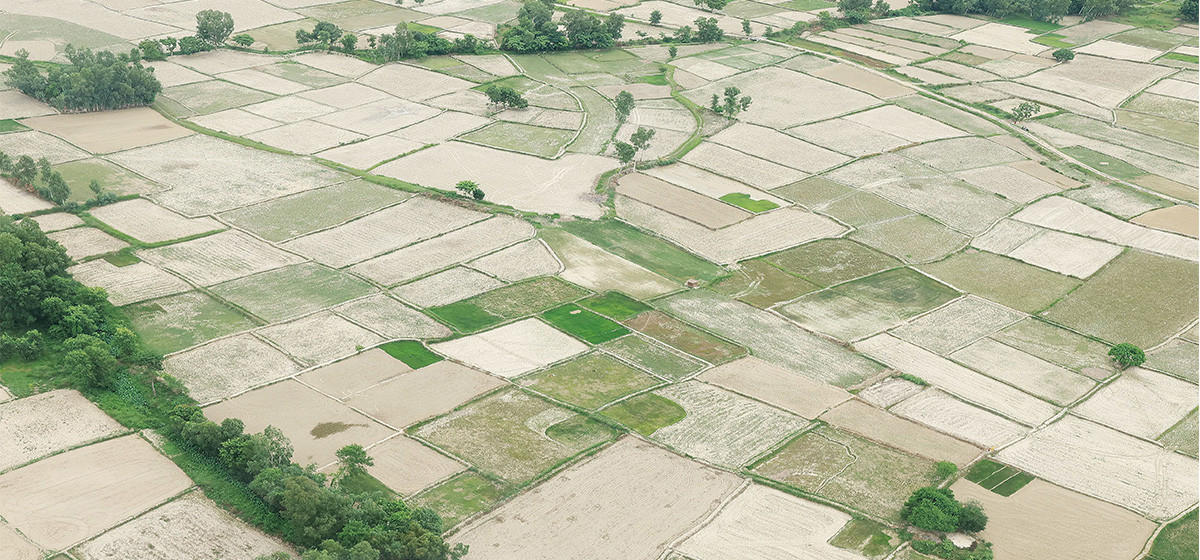
Food crisis looms large as drought hits Madhesh districts
-1200x560-1781083488.webp)


_20230830114144.jpg)








