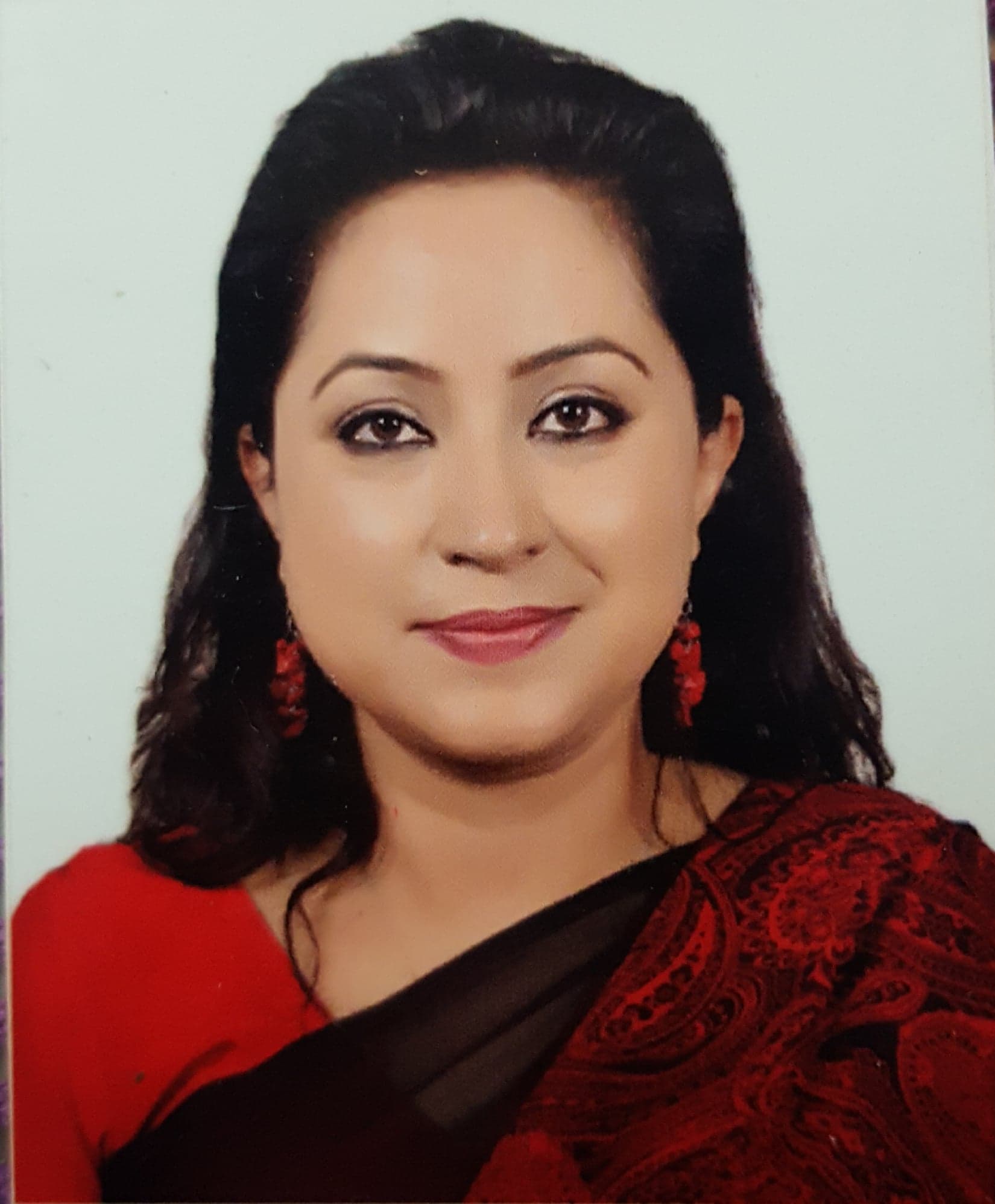
Bhojraj Pokharel, the Chief Election Commissioner during the 2008 CA vote, has closely observed electoral practices around the world. He has also made important contributions in reforming Nepal’s electoral system.
In the recent times Pokharel has been a vocal advocate of bringing agitating forces into election process. Mahabir Paudyal and Kosh Raj Koirala sat down with the author of Nepal Votes for Peace (2013) to discuss November 19 election. [break]

Keshab Thoker
The Election Commission as well as government representatives seem fairly confident about November 19 election. Will it happen?
If the government wants to hold polls under any condition, it can do so. But going into November 19 election in the existing situation would exclude a big chunk of poll-opposing parties. The issue is not whether we will be able to hold it on the stipulated date. It is whether election without participation of agitating groups will provide a way out of the political crisis.
Why is it so important to bring Mohan Baidya-led alliance on board?
There are three key forces: the government, pro-poll parties and agitating groups. Each wants to assert itself. The government’s approval of the use of Army gives the message that it is ready to hold election with the use of force. It is strange that the government should talk about using Army right after the failure of the latest round of discussions. It could have waited until the deadline for candidate nomination. Likewise, pro-poll parties have made their youth wings active. Meanwhile, poll-opposing parties have dared the government and pro-poll parties to go to election without their participation.
Their open challenge to the government and other parties indicates they have the strength to disrupt polls. These three forces are in open confrontation. Election conducted under such circumstances is unlikely to yield desired result. If anything, it could lead us into a more difficult situation. What you should understand is that the new CA will also be a vehicle to resolve the conflicts in Nepali society. If we cannot bring all the forces to this common platform, a potential source of conflict will remain.
Is Baidya’s alliance the only hurdle or are there other less apparent challenges to timely and credible election?
The first challenge is security management. In a country like Nepal where each party is looking to win election on the back of money and muscle power, security is obviously a challenge. Second, some armed groups in Tarai have been threatening people not to cast votes. Third, the Election Commission is working under limited timeframe. If the parties ask EC to extend nomination deadline even by two or three days, EC’s timetable will be adversely affected and it won’t be able to hold election on November 19. Fourth, if agitating parties force general shutdowns after nomination deadline it will pose an even greater difficulty for EC.
How flexible should government be to bring agitating forces into election fray?
Three forces are proactive about November election: political parties represented in HLPC, the government and the international community. Khil Raj Regmi was appointed chairman of election government with the sole mandate of holding election. But he does not seem ready to give up his CJ duties to bring agitating parties on board. If election does not take place or if boycott of the agitating parties becomes the cause of new CA’s failure, I am sure he will forever regret his obduracy.
How so?
He will be held responsible for any undesirable situation that could emerge by leaving the Baidya alliance out. I don’t understand why he continues to stick to the CJ’s chair in the face of such risks. Regarding pro-poll parties, I don’t think they were ever serious about meaningful dialogue with agitating parties. They had their own calculations. Meanwhile, the international community seems to be in a fix. I don’t question their intention. The international community wants stability in Nepal and sees CA election as the means to achieving this goal. But their stand for November 19 polls is so strong that if the election does not take place then it can be seen as their failure. The international community should understand that even if it has pressed for November 19 polls with good intention, if it leads to conflict, it is the Nepali people who will have to suffer. The irony is that we are harping on November 19 polls as if that is the only thing that matters. But we have not thought about post-November 19 scenario. As important as holding election is making election outcome acceptable to all.
Can the election be deferred? After all the first CA election was deferred many times.
The situation was a bit different then. The first election was proposed for June, 2007. But the parties were not ready so they wanted to postpone it to July and were set to amend the constitution to that end. But I intervened. I said we needed at least 120 days from the day of constitution amendment. I had done so to discipline the parties. Then it was rescheduled for November, 2007.
We were fully prepared—we had opened election commission offices at all 240 constituencies and candidate nomination was in full swing. But on the last date of nomination the parties declared that the election wouldn’t take place. It took two months for parties to be ready for polls again but just then Madhesh Movement started in Tarai. While the government was in constant dialogue with Madheshi forces we kept rescheduling nomination dates to bring them on board. Finally we could bring all the parties on board for April, 2008.
Why can’t we do so now if it helps make election more credible?
Back then the state actors could decide on their own behalf. We did not have to rely on external forces. We have lost that power now.
This is the fundamental difference between then and now?
The context is different. Our sole mission in 2008 was to bring a gun-wielding force to ballot. And we were successful in that mission. Now UCPN (Maoist) leaders are among the staunchest supporters of election and parliamentary system. Then our prime objective was to bring all the agitating parties to election. Now our objective seems to be holding election on a certain date, irrespective of whether the agitating forces are ready for it.
Will EC be able to hold free and fair election?
Many things have changed since 2008 vote. Right after first CA election, we assessed our weaknesses and shortcomings and worked out measures to mitigate them. We reached a conclusion that correctness of voters’ names and voter identity cards could contribute to fair polls. After 2008 election I had gone to observe election in Bangladesh where rigging is rampant.
But in this particular election Bangladesh had introduced the system of voter identity card with photo. This cut down on rigging significantly. So I took the initiatives to improve voting system here too. EC has also devised election code of conduct. Besides we have past experience of holding CA polls. If we can overcome security challenges I expect a fairer election this time.
What is your view on Army mobilization for election security?
The issue of using army—I will not call it mobilization—was raised in a wrong way. Agitating parties threatened candidates not to file nomination and warned of serious consequences if they defied this order. The state retaliated with the threat to ‘mobilize’ Army. But it is not uncommon to use Army during the polls. The army has been used in all post-1990 elections, except 2008 when Nepal Army was confined to barracks.
Do you think army use in election is justifiable?
The army is a national force and the state can use it when necessary. I was the Home Secretary during 1994 midterm polls and I used Army for security. The Army is not deployed at poll booths. In fact, army personnel take over the duty of police personnel in securing government installations like prisons until the police can return to their duties. Another area where Army is used is ballot paper security.
Nepal Army has always carried out this duty with excellence. The Army also transports ballot papers to district headquarters. They are used in rescue operation during the election, when scuffle breaks out or people get injured. Because it won’t be possible to deploy large number of police at the booths in the hills and mountains, Army patrols the area with helicopters. This is done to make polling officers and the voters feel psychologically secure. In the most sensitive polling stations—where possibility of rigging and violence is high—army is made to march past. They go round the area in their hundreds. This again is done to ensure security.
So army cannot get into the polling booths?
It cannot, nor can it use arms. If it does, the validity of election will be under question. It’s a global practice. If army soldiers are fielded at all, they are placed at least 500 meters from the booths. In our case, army will remain alert in sensitive areas. It springs into action only if the police cannot take situation under control or big violence breaks out. Army is not even allowed to fire. There is no need to panic about army use.
Why the hype about army mobilization then?
We have rendered all vital state institutions—legislative, judiciary and executive—dysfunctional. Army is the only force that has not been dragged into controversy so far. I fear they are trying to damage the reputation of the army by spreading wrong message of army mobilization. I also fear some forces don’t want the conflict resolved at all.
Related story
Bibeksheel Abhiyan announces 'Mission Bagmati' in view of upcom...