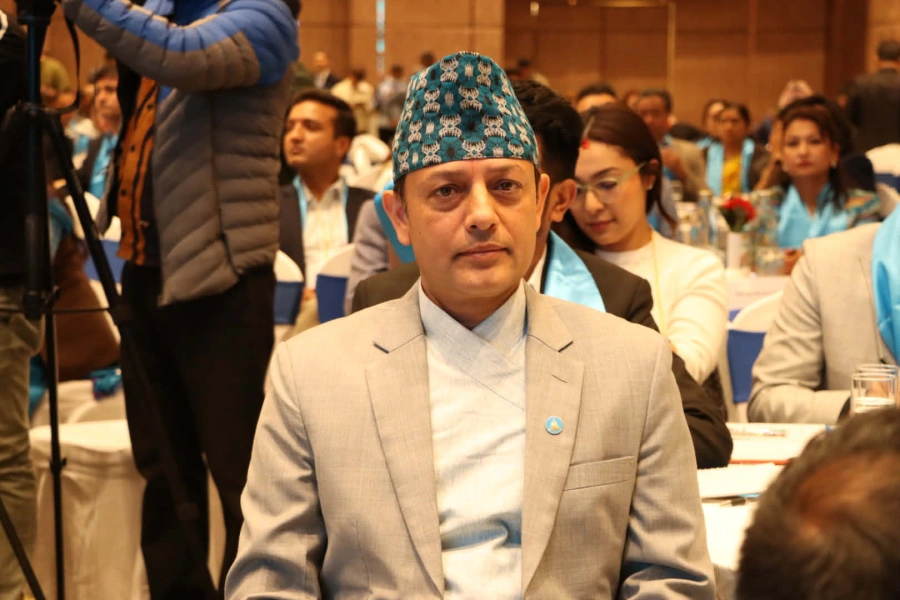
New Nepal Army Chief Gaurav SJB Rana has his task cut out. With the political and constitutional vacuum created by the dissolution of the Constituent Assembly, and with the political parties still struggling to come to some kind of agreement on the country’s future course, the only government body that has by and large been above the fray of the turbulent transitional politics is likely to find itself in the thick of things in the months and years ahead. The first among Rana’s long list of priorities will be to ensure an amicable end of the integration process. It will call for deft balancing between creating space for ex-Maoist combatants and keeping the existing army hierarchy intact. But perhaps Rana’s biggest challenge will be the democratization of the institution.
The peace process had envisaged the formulation of national security policy and the rightsizing of NA in the changed political context. This will be vital as necessary measures need to be taken to formulate the new NA-headed security agencies for border security, industrial security, and protection of national parks and conservation areas.
Rana is being touted as one of the most competent CoAS in the army’s nearly 250-year history. Rana’s illustrious family background in the military, his leadership skills, his clear vision and clean image stand him in good stead. All these qualities will be tested in the days ahead as Rana looks to maneuver the institution through the muck of political pressure that is likely to bear upon NA, as political players vie for greater influence over the most powerful institution in the country. Back in 2009, it was then Prime Minister Pushpa Kamal Dahal who attempted to tweak NA’s hierarchy to serve the interest of his party. Rana will have to be vigilant and tactful to ward off similar political intrusions in the future.
To his credit, Rana has started on the right footing through his reshuffling of NA top hierarchy on the basis of seniority, thus clearing the road for smooth transfer of leadership when he leaves office in three years’ time. Internally, after the formal end of the integration process, it will be up to the new chief to clear the way for resumption of army’s logistics and weaponry lines stalled in the process of compliance with the peace process. Keeping the morale of the rank and file up during these times of great uncertainties will be another of Rana’s remits.
In keeping with the broader inclusion agenda, representation of the traditionally overlooked sections of the population (Madhesis, Dalits, women and the other under-represented ethic communities) should also be high on his agenda. But make no mistake. Overseeing the army’s transformation into a truly democratic and inclusive institution while not compromising its professionalism will not be easy.
For while the new CoAS will have to be tactful in handling political pressure, he must also be mindful not to try to influence the country’s political course, which is best left to the political parties. With Rana’s stellar credentials, expectations on him are high. We hope in the next three years he will leave up to his image and leave behind an institution that is more democratic, more inclusive and more professional.
Related story
Speed up testing