Surendra Mahato, who represents the majority group, claimed that all the decisions at the SRC were taken in the presence of all nine of its members. [break]
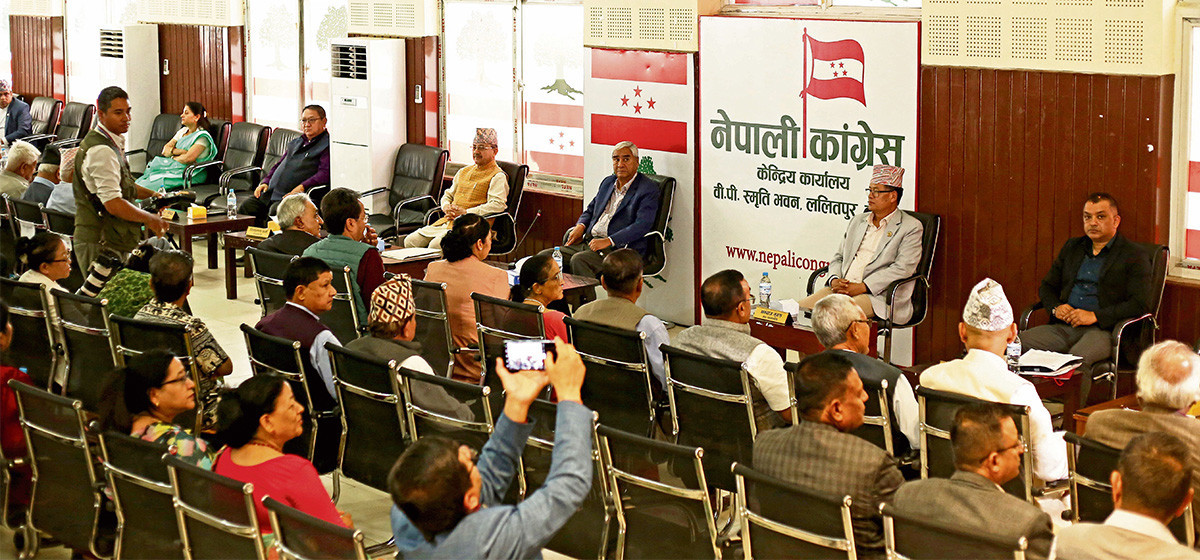
“We had settled almost all the issues by January 24 and till that date all the members of the commission were present at the meetings,” stated Mahato while addressing a program at Reporters´ Club Nepal in the capital, Wednesday afternoon.
He said that Dr Ramesh Dhungel, who along with two other members of the commission submitted a separate report, never mentioned the proposed names of the six states recommended by them.
“It is also untrue that in the report we have removed local bodies from the proposed federal system,” said Mahato, adding, “They should comment only after reading the report.”
He said the minority members were for asking the government to extend the timeline just two days before the final report deadline.
“They told the coordinator of the commission on Sunday to ask the government to extend the deadline as we were preparing to submit the report on Tuesday,” claimed Mahato.
Speaking at the same function, Dhungel said that they had differences from the early days on.
“The differences began with the working procedures and continued till the drafting of the final report,” added Dhungel.
He stated that the minority members also have reservations regarding right to self-determination, political preferential right and the proposal to form provinces with powers stronger than that of the centre.
“Dissenting voices were not entertained by the friends appointed the party you all know,” said Dhungel.
He claimed that the government would implement the report of the minority as it was appropriate for the country.
The SRC on Tuesday submitted two separate reports to the government.
The majority members led by SRC Coordinator Madan Pariyar have recommended 11 states on the basis of viability and identity while the minority three members have proposed six states on the same basis and most of these stretch from north to south.
Related story
Cooperation for trade