

In his second expansion, Oli has appointed seven ministers from the second-largest coalition partner UCPN (Maoist), one from Madhesi People's Rights Forum-Democratic (MPRF-D) and one more from Bahujan Shakti Party (BSP). With this development, the cabinet is now 18-member including prime minister and three deputy prime ministers.
On Sunday, he appointed seven ministers from UCPN (Maoist) under the leadership of the party secretary Top Bahadur Rayamajhi, who is deputy prime minister and minister for energy. The party's standing committee member Shakti Basnet has been appointed as home minister; Agni Sapkota, minister for forests; Girirajmani Pokharel, education; Rekha Sharma, general administration; Ganeshman Pun, commerce and supply; and Umesh Yadav has been appointed as minister for irrigation. Hariboj Gajurel of the same party was earlier appointed minister for agriculture.
The prime minister included Ramjanam Chaudhary of MPRF-D and Bishwendra Paswan of Bahujan Shakti Party as ministers without portfolio.
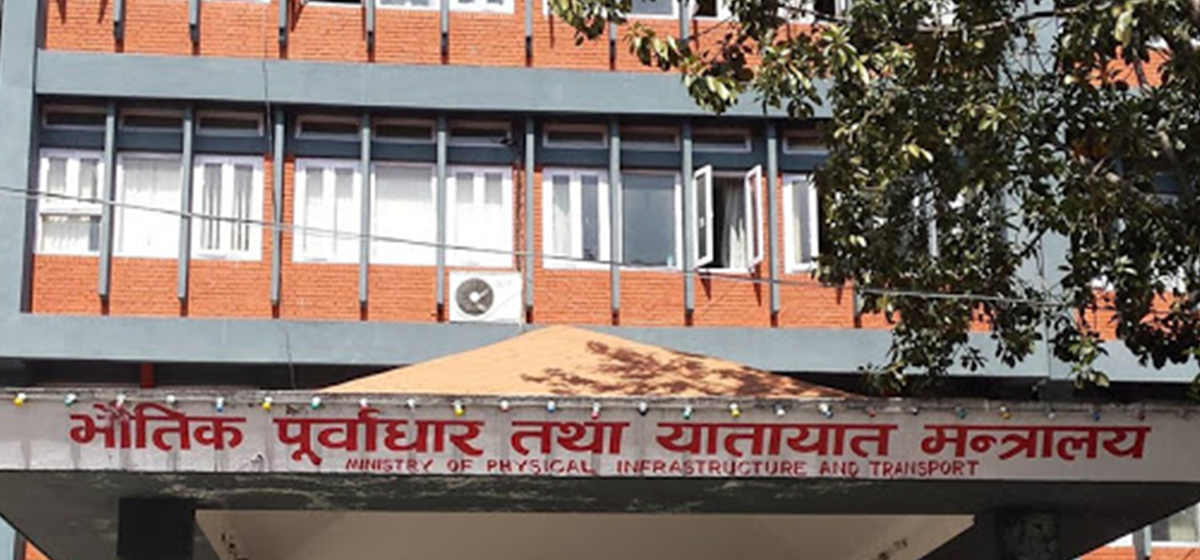
Chairman of MPRF-D Bijaya Gachchhadar is already in the government as deputy prime minister and minister for physical infrastructure and transport management.
After a week-long bickering over ministerial portfolios, the UCPN (Maoist) resolved the intraparty wrangling and picked its ministerial candidates. Party general secretary Krishna Bahadur Mahara, who was widely considered to be the choice for home minister, is not in the team. Earlier, he had declined the post of speaker, according to party sources.
The prime minister has failed to induct new ministers from his own party-- CPN-UML. He had earlier picked three ministers from UML.
Party insiders said the party leadership is struggling to decide about the candidate for finance minister.
Prime Minister Oli convened a standing committee meeting of his party on Sunday but couldn't decide about the candidates for the reamining portfolios including the finance that are to be led by the CPN-UML.
"Prime minister may wait for some more days to pick ministers from the UML because appointing ministers from the prime minister's party in advance and holding talks with other partners may send wrong message to those political forces who want to join the coalition," UML Standing Committee member Shankar Pokharel told Republica.
Pokharel, however, argued that the UML will nominate the ministerial candidates only after portfolio allocation with other partners is finalized.
The prime minister is trying to induct some senior leaders from small parties such as CPN (ML) chief CP Mainali and chairman of Rastriya Janamorcha, Chitra Bahadur KC, in his government.
Sources said the leaders are discussing ways to include the senior leaders in the government by giving them senior positions.
"They expect positions of deputy prime minister and if this is conceded it may take the total number of deputy prime ministers to around six," said a leader.
Pokharel said the party adopted an approach of including some senior leaders from small parties as the largest party Nepali Congress is out of the government. This indicated many possible challenges for the new government.
Yet another leader informed that UML leadership is for next expansion only after the election of president.
"Major political parties will definitely engage in tough exercise for the election of president. In such a scenario, small political parties' support can become crucial and for the ruling parties those expecting ministerial berths will be easier to satisfy in view of the presidential election," said a leader requesting anonymity. "So, the next expanstion may happen only after a president is picked."
The parliament is going to begin the procedures for election of the head of the state in October last week.
Related story
20 ministers lose their jobs, Oli-led Cabinet now has only five...







-1782782519.webp)


