KATHMANDU, April 8: The flow of Nepali students pursuing higher education abroad shows no signs of slowing down—and neither does the money leaving the country. The Nepal Rastra Bank (NRB) reports that nearly Rs 97 billion has been sent overseas for education in just the first eight months of the current fiscal year (up to mid-March 2025/26).
While studying abroad offers students quality education, international exposure, and skill-building opportunities, experts warn that it raises serious questions about Nepal’s domestic education system and the economy.
Why is an "NOC" required while going abroad for higher educatio...

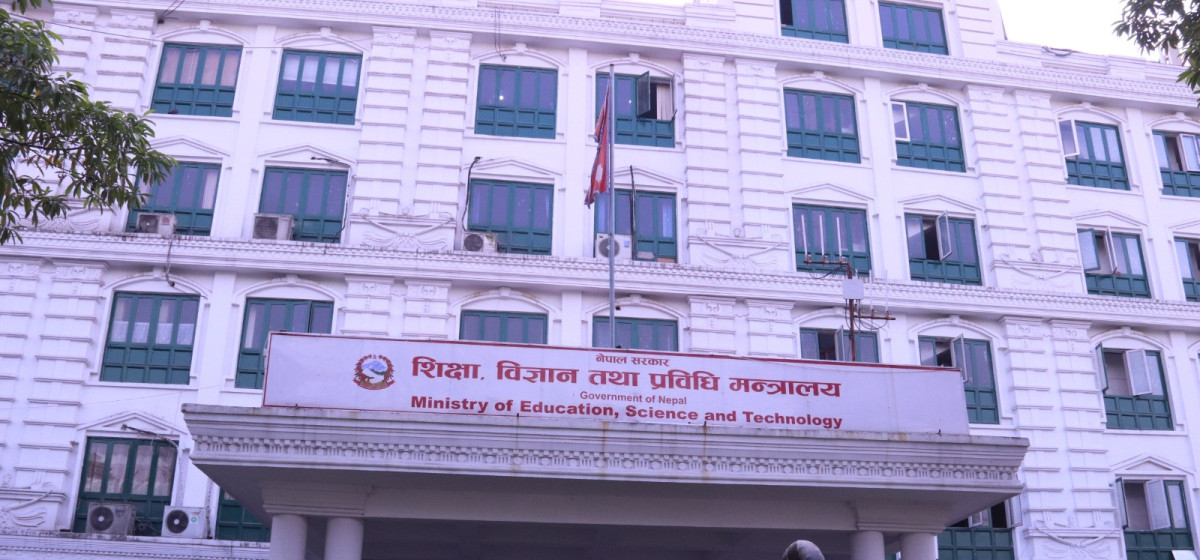
To control this massive outflow of funds, NRB has tightened rules for foreign currency facilities. Students sending tuition and living expenses abroad for the second time onward must now prove there’s no duplicate payment. They must apply through the same bank as their first remittance and provide documents like a No Objection Letter from the Ministry of Education and proof of enrollment from their institution.
Most Nepali students head to Australia, Canada, the United States, the United Kingdom, and Japan, with South Korea and some European countries emerging as new favorites. Australia and Canada remain popular for students who can work while studying. Popular fields include management, IT, nursing, hotel management, engineering, and business studies, with growing interest in data science, AI, and cybersecurity.
The surge in overseas education is hitting Nepal’s domestic colleges hard. Enrollment is dropping, some institutions face closure, and the “brain drain” of quality students continues. Experts warn that research and innovation in universities could weaken if the trend continues.
Yet studying abroad has its perks: students gain skills, international experience, and global exposure. Families invest heavily—often selling property or taking loans—to support their children, betting on better career opportunities abroad. But when students stay overseas after graduation, the financial and emotional costs weigh heavily.
Stakeholders say the solution lies in improving domestic education, expanding technical and vocational training, and creating job opportunities at home. Strengthening Nepal’s education system could help retain talent and turn the overseas education trend into a long-term opportunity.