KATHMANDU, Jan 30: Pressure to perform well in exams lurks around every student’s life and sometimes even surfaces in symptoms such as migraine or headache, increased anxiety or irritability, loss of appetite and other health hazards.
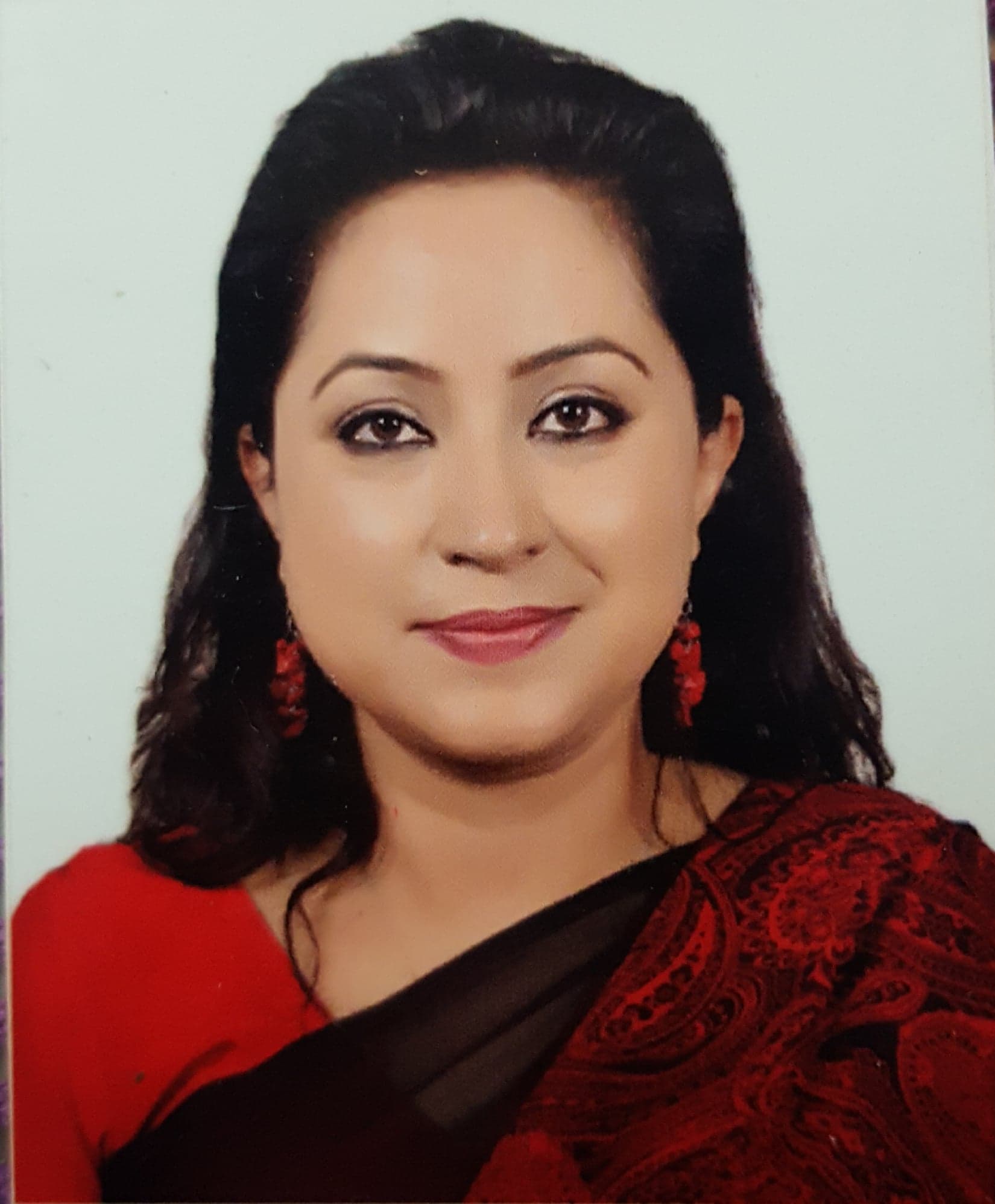
It’s fair to say that almost everyone feels stress during exam time, although its level may vary from person to person. Ask Nepal Topper from Tribhuvan University in Bachelor’s in Mass Communication and English, 25-year-old Richa Bhattarai, and she’ll also tell you that even she undergoes stresses a lot during exams.[break]
“But I know how to cope with stress,” she says. “I feel like I’ll forget everything even if I know things. When I first look at the question paper, there are times when I’ve gone blank,” shares Bhattarai. “But once I start answering the questions, it all comes to me. I enjoy answering because it is writing and I love to write,” she adds.
Bhattarai credits determination as being the most essential factor that helps one excel in exams. “During this time, we get distracted easily. Some people are brilliant but don’t prepare well while others are just very hardworking and have the willpower to stay away from the distractions and study,” says Bhattarai who believes that she falls in the second category of students. She prepares a month ahead of time for her exams and prefers to study according to the curriculum rather than the prescribed course books. “Fifteen to 20 days before the exams, I spend my time alone, studying in a room where no one disturbs me. I do things in my own times and I don’t like it when people come inside the room during this time, so I ask them to keep out,” shares Bhattarai.
There’s no doubt that hard work pays off. Nabin Kumar Mahato, 27, topped the Master’s-level exams with 94% of scores and won four gold medals, including the Chancellor´s Medal, for his top performance this year under Tribhuvan University. Mahato shares that he worked hard for it. Working hard was a bit easier for Mahato since the subject was one he was really passionate about. “Even when I was a child, I was always interested in Math,” shares Mahato.
For Mahato, preparation starts from day one. “I make it a point to attend each and every class and take notes. Then I go home and figure out what I learnt in the class that day. If there’s something that I didn’t understand, I made sure I cleared the doubts with the teacher the next day,” he says.
Concerning study habits, Mahato shares that he never leaves out anything. “I go through the course and figure out what’s relatively not important and what’s very important. Then I practice or study them in a ratio of 2:5, meaning, if I study the non-important bits twice, I study the important parts five times,” Mahato says. He aims higher; his goal is to always get 100 upon 100. And he prepares well for it.
Subani Shrestha, an 11th grader at GEMS, is what people would categorize as a good student. She scores well in her exams and studies hard as well.
“I think exams mean some pressure, but I don’t feel much,” says Shrestha who doesn’t feel nervous while taking an exam because, in most cases, she prepares well for it. However, she isn’t an all-nighter before an exam to study, as she believes there isn’t much use doing that. “I study regularly, and a week or two before the exams, I prepare in depth, going through question banks and taking notes,” she says. She believes that exams don’t necessarily determine the knowledge of a student but doesn’t consider it an evil that must be abolished, either.
Like it or hate it, as students, exams are something that we have to go through (as of yet). There are those who believe that exams aren’t fair. Many have protested against this test-taking culture.
“People are always complaining that you can’t measure your intelligence in a mere three hours, that it’s not fair, but nothing is really fair in life, actually,” says Bhattarai who feels that there should be a marking mechanism and hence she is okay with exams. Like she puts it, “Rather than securing good marks, it’s about knowing that you’ve studied and that you understand.”
In the end, the true marking is not in numbers but in the knowledge that you’ve gained.
How to deal with exam stress
• Be organized. If you know exactly what you´ll be facing, you can work out a plan for dealing with it, and this will go a long way towards putting your mind at ease. Get hold of the right information from the start. Make sure you know how you’ll be examined, and what you´ll be examined on. If you can, get a copy of the syllabus and past question models.
• Make a realistic timetable. Stick to it.
• Learn to recognize when you´re stressing out. A break or a chat with someone who knows the pressure you´re under will get things into perspective.
• Avoid comparing your abilities with your friends. Those "Oh my God, I’ve only studied the Basic Economics for BBA only five times” conversations are such a windup. Everyone approaches revision in different ways; so just make sure you´ve chosen the method that works best for you.
• Eat right. Treat yourself like a well-honed machine. Fresh fruit and veggies. Proper breakfasts. No one can think straight on coffee and cornflakes.
• Sleep well. Get your eight hours.
• Panic is often triggered by hyperventilating (i.e., quick, shallow breaths). So if you feel yourself losing it during the exam, sit back for a moment and control your breathing. Deeply breathe in and out through the nose. Counting to five each way.
• Steer clear of any exam ´post-mortem.´ It doesn´t matter what your friend wrote for question 3(b). It´s too late to go back and change your answers, so it’ll just make you worry even more.
• Ultimately, don´t lose sight of the fact that there’s life after exams. Things may seem intense right now, but it won´t last forever.
www.bbc.co.uk
Related story
Trace and test