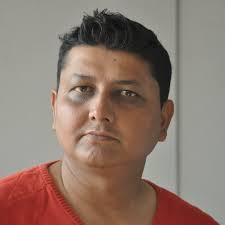
Lovingly and respectfully known as Girijababu, GPK was loved and hated and disdained and admired during the last two decades. Nonetheless, while rating the life and works of the firebrand revolutionary and courageous warrior who made great sacrifices for the cause of liberal democracy for four decades before the restoration of democracy in 1990, what all point out as GPK’s pinnacle is his success in convincing the Maoists to sign the peace deal in 2006. The latter had fought a decade long bloody war that claimed more than 16,000 lives apart from other colossal damages.
Paradoxically, instead of trying to counter the rebellion politically, at first GPK wanted to crush it. Only when King Birendra – also the supreme commander of the armed forces – declined his request to mobilize the army because of his hidden political ambitions did GPK decide to form an alliance with the Maoists against monarchy. The peace deal ensued thereafter.
Although a key actor of the deal, GPK hardly tried to diagnose the root cause, intricacies and methodologies of the insurgency. The most hated figure by the communists, he reached a secret understanding with them to support his bid to become the first president of the country. However, what happened later is everybody’s knowledge. The partnership was primarily meant to avenge the imprudent king, Gyanendra, a common enemy of both.
Although their target was the democratic regime, Maoists treacherously kept changing their enemies for tactical benefits. This way they played different political forces – both internal and external – against each other at different times. GPK was their most rewarding experiment. They expanded and consolidated their foothold by constantly cashing in on GPKs weaknesses that included his personal interests/ambitions and nepotism. However, once after establishing themselves as the most powerful political force – through a blend of popular support, fear and intimidation – the Maoists began to disregard most of their earlier peace commitments.
That GPK stood more firmly than any other leader against the royal takeover of power on Feb 1, 2005 is a historical truth. Had he chosen, soon after co-leading the successful uprising of 2006 against monarchy, to become a moral leader instead of battling for power, like Mahatma Gandhi, Jaya Prakash Narayan or Ganesh Man Singh, his place in history would have touched a new high.
Similarly, the peace deal would have been more balanced, comprehensive and workable had adequate home work, thoughtfulness and negotiations preceded its formulation. With its implementation and implications yet to be seen, history alone can pass any judgment regarding the deal.
If anything is likely to be affected by GPK’s absence, it will be the political fate of his daughter Sujata Koirala who has managed to become deputy prime minister through the blessings and maneuverings of her father. His absence may jeopardize her career and ambitions.
While his other achievements are few and far between, his flaws are many, ranging from financial scandals to political blunders.
Some say the money from corruption scams allegedly linked with GPK were not meant for him; they were to meet the expenses of the party. It is undoubtedly true that GPK lived a modest life and earned no assets for himself. However, equally true is that a great number of his close relatives and cronies, with or without his knowledge and concurrence, made fortunes by exercising extra-legal powers.
Similarly, he made a chain of political blunders that ranged from premature dissolution of parliament to toppling the government of his own party to settle scores with intra-party opponents. Those moves repeatedly led to virtual and formal splits of the party, weakened democracy and democratic institutions and created prolonged political instabilities, some of the root causes of Maoist insurgency. A man rightly revered as ‘revolutionary hero’ before 1990, GPK’s name became synonymous with corruption, nepotism, cronyism, intra-party factionalism and an incessant hunger for power in post-democratic Nepal.
Among the triumvirate formed by late B P Koirala – one of the greatest leaders of all times – to lead the party, GPK was a man of action, unlimited energy and great organization and management skills. In comparison, scholarly K P Bhattarai lacked seriousness, vigor and purpose while the commander of the 1990 Peoples Movement Ganesh Man Singh lacked diplomacy, organization and public relations skills. Therefore, in the battle for control of the party and government positions, GPK easily subjugated them. As there was no one from the younger generation to challenge his authority, GPK, a man of assertiveness and determination, led the party on his own, which often resulted in internal feuds, splits and half-hearted reunions.
Both for party insiders and outsiders, GPK was a serious person with whom one could do business. Polite, well-mannered, orderly, caring, energetic, hard working and down-to-earth, he had excellent connectivity and bond with party cadres and supporters. A kind hearted and straight person, he would help and bestow affection on anyone who came to him claiming to be his follower/supporter. However, his generosity and protection mostly reached the wrong people.
Basically a sojho manchhe (simple/innocent person) who possessed limited vision, understanding and intellect, GPK later learnt a great deal about power politics. As someone who blindly trusted his subordinates, he did a good job whenever he was backed by good advisers/assistants, but made mistakes when he received bad counsel. Unfortunately, he was mostly surrounded by bad advisers. During the early days of his rule, as his ministers and planners were mostly neo-liberals, he introduced market- and investment-friendly economic policies that laid the foundation stone for future economic development.
GPK’s passing away has given birth to some questions among the populace. The first is: What will happen to the peace process? The second-generation leaders who believe that GPK had given in too much to the Maoists may give fewer concessions to the Maoists.
Another question doing the rounds is who will overtake GKP’s position in Nepali Congress? As times have changed, the forthcoming leadership has to come through elections.
What about the High-Level Political Mechanism? As Nepal’s politics in the future will be shaped more by issues rather than personalities, GPK’s absence won’t make much of a difference if the mechanism continues to exist.
If anything is likely to be affected, it will be the political fate of Sujata Koirala – GPK’s not-so-deserving daughter – who has managed to become deputy prime minister through the blessings and maneuverings of her father. His absence may jeopardize her career and ambitions.
jeevan1952@hotmail.com
Related story
BPKIHS academic block handed over despite 28 major faults, show...