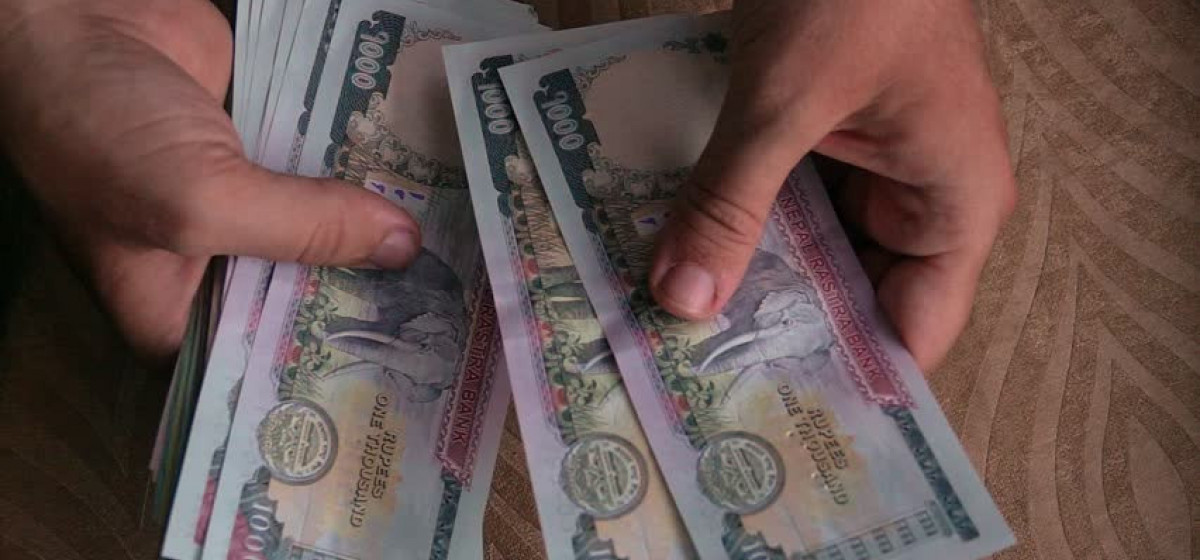
KATHMANDU, Oct 29: As predicted by many, the blockade has impacted all ventures in the country. Small or large, all businesses are suffering and some of the smaller ones are on the verge of closing down. However, entrepreneurs have been coping in their own way, either by embracing available alternatives or planning to go abroad.
Related story
27 public enterprises in profit, 16 running at loss: Govt repor...

Republica talked to few entrepreneurs about how their business has been affected, how they have been coping thus far, and what they course their venture will take next.
Kiran Timsina, Co-founderUrban Girls, Baneshwor
Urban Girls is highly based on delivering products. People could rely on Urban Girls to transport their orders—cakes and accessories—to their doorstep. Unfortunately, the blockade, which led to the current fuel crisis, has made it difficult for us to reach our customers. These days we only deliver cakes to places that are at walking distance from our factory. We use cycle to deliver accessories but reaching customers living at a long distance is not feasible.
Luckily cakes are made electrically so we haven't had to queue up for the gas for hours. However, following the blockade, we did suffer from extreme shortage of ingredients needed to bake our cakes. Thankfully, since few vehicles carrying stuffs were allowed cross the borders, the ingredients haven't been much of a problem. Nonetheless, our cake production has fallen from 16 cakes on average per day to around six or seven cakes per day. Certainly the unofficial blockade is hitting us, entrepreneurs hard but we have started our search for alternatives. We are intending on purchasing electric scooters soon.
Rajan Limbu, Marketing Director
Raktakali Handicrafts,
Bhurungkhel
We couldn't run our factory for about two months following the earthquake and that cost us lots of money. Orders from abroad were all canceled for we couldn't deliver our products on time. We were slowly trying to win our customers' trust back when this blockade happened. It's worse than the earthquake because now we don't even have the raw materials to start producing our most basic orders like woolen jackets. We normally use wool from New Zealand, which of course comes to us via India. Even the plastics we use to pack our products come from India. Since the blockade, the suppliers have increased the wool's price by at least a hundred per kilo. Even when the raw materials arrive, most of our outsource staff can't come to take orders because there are only few vehicles plying on the streets. And we haven't been able to collect finished products from some of them because of the same reason. Some staff are still stuck in their villages. We haven't even been able to provide proper lunch to those who manage to come because we have run out of gas and kerosene. We haven't been able to open the factory even when Dashain is over, and we're really worried about the time after Tihar when we're supposed to deliver our orders. If we aren't able to meet the deadline, far less order will be placed for next year, and that means we're in for a huge loss for a long, long time. Right now, I really don't know where we're headed.
Nabin Limbu, Proprietor
Balaji Beverage, Narayanthan
We provide drinking water jars to different hotels, restaurants, and small shops in Kathmandu. The first year, I was just getting to know the business and then this year we were struck by the earthquakes. Now this border blockade has made things worse. Many of the businesses we used to deliver to have closed. We used to sell around 400 jars per day before the blockade. Now it's reduced by half. The lack of petrol and diesel means we haven't been able to deliver promptly to our customers. So we make deliveries only when we can and that's bad for business. We have to rush to the fuel station every time we hear they have petrol/diesel where we wait in line for a minimum of three hours. If this situation continues, I will have no choice but to close shop. Maybe I will start another business but the likelihood of that working out is slim because again the fuel crisis affects all kinds of businesses. So the only option it seems is to go abroad for work.
Bikash Adhikari, Co-founder
The Vegetable Garden, Lazimpat
Due to the fuel crisis, only one fourth of our order has been coming over from Chalnakhel to our store in Lazimpat. This has been going on for more than two weeks now. We have started using public transport and rickshaws to haul the fruits and vegetables from Chalnakhel these days. We are managing to continue delivering vegetables and vermicompost but that's only because we just deliver to places near Lazimpat. I don't know when this crisis will be resolved. But if it persists then we shall probably have to shift our business interest to our boar farming.