However, over the years, like everything else, Dashain too has been changing its facets with the changing times and changing societies. The Week’s Nitya Pandey recently held an intergenerational roundtable talk where people from different generations sat at the same table and discussed what significances Dashain holds for them.
What is the first thing that comes to your mind when you hear the word “Dashain”?
Govinda: I would say kites. When I was a child, there were not many people in Kathmandu. There was lots of space since there were fewer houses. So we used to run all over the place, flying kites and chasing the ones that had fallen in the fields or caught between the trees. They used to be our greatest treasures. And we had swings too, lots and lots of them.
Rita: For me, it’s all about family gatherings and getting together. Relatives scattered in different places come together under the same roof and have fun in this festive time. If somebody fails to arrive for some reason, he or she is missed because it’s Dashain and it’s a time to be at home.
Shradda: Dashain in the USA is nothing like what we have here in Nepal. You are so busy with work and study that you barely get time to celebrate it. You don’t get holidays and there is nothing festive in the air. However, we used to have goat meat on the day of Vijaya Dashami to bring in the Dashain vibes.
Jyohonson: Dashain reflects the bond between family members. With an increasing number of people who work abroad and are away from their families, meeting your family members, spending time with them and feeling the intimacy becomes a rare thing. In Dashain, the cultural setup itself creates the urgency of renewing familial bonds and spreading happiness.
What do you think about the trend of animal sacrifice?
Govinda: I am a vegetarian. I don’t slaughter animals because I don’t like bloodshed. Instead of goat, rooster or duck, we break coconuts or dice radishes.
Rita: As a child, I used to be excited about having a goat in the house and the meat afterward. But now my kids don’t feel the same excitement about it. In fact, these days, it sometimes makes me sick to see all the blood at temples.
Shradda: I somehow always associate meat with festivities or something good and happy. In our culture, we don’t eat meat during funerals or when something bad happens. Meat is the major attraction of weddings, festivals and other happy occasions.
Jyohonson: Sacrificing a goat is all about the thrill associated with it. The excitement that comes with slaughtering a goat is not the same that comes with slicing a pumpkin. Fear is the most binding of all emotions and contained slaughter, I think, vouches on that.
Dashain is synonymous with new clothes. What do you think?
Govinda: In our days, Dashain was the only occasion when you bought new clothes. But the scenario has changed now. People buy clothes all the time. Also, we never bought readymade clothes. Tailors used to take measurements and we would wear sewn clothes.
Rita: Once you become a parent, your children’s needs become more important than your own. Nowadays, I buy clothes for myself and my children. But I fondly remember those days when my own parents used to buy clothes for me.
Shradda: There is always something special about your parents buying your stuff. Although I have started earning now, I still ask money from my parents on Dashain to buy clothes for myself.
Jyohonson: I have lived in a hostel for many years. So we never cared much about clothes. But Dashain does come with a wave of buying new clothes. So my parents buy formals for me for school functions. Maybe this year, since I am out of hostel, I’ll be buying something new specifically for Dashain.
What do you have to say about the inflation during Dashain?
Govinda: I am particularly worried about the increasing prices of foodstuffs. Dashain means good food and since food items are so expensive it’s getting really difficult for us to manage.
Rita: My husband and I both work. So it’s not that difficult for us to fulfill our children’s demands. But still, the inflation in the market troubles me when I compare how cheap things used to be a couple of years ago. But people have not stopped buying things no matter how expensive they become.
Shradda: Actually, I am more concerned about whether we are getting our money’s worth. I believe in quality more than quantity. So do the clothes and other stuffs really cost that much? Or are we being cheated in the name of festival offers?
How do you plan to celebrate Dashain this year?
Govinda: I plan to worship the Goddess. And then offer tika to all those who come to my place for blessings like any other year.
Rita: Dashain is always associated with cards. I also plan to visit temples. This year my children are asking for a swing. So I am planning to get one for them.
Shradda: I can already feel Dashain in the air. The weather itself suggests that Dashain has arrived. I just want to stay home and play cards and just be with my family.
Jyohonson: Dashain is a complete Nepali festival. Sacrificing animals, the favorable weather conditions and the ritual of growing jamara denote Nepal’s agricultural base. I want to get its essence in a village. So I am going to Chitwan this year. Dashain in villages seems to be so much more fun.
The participants of the round table discussion were:
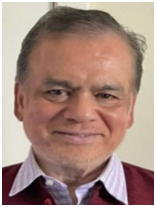
Govinda Baskota, 63, retired teacher of Social Studies at Sharada higher Secondary School, Tilganga;
Rita Tiwari, 37, acting principal of Padma Kanya Higher Secondary School, Dilli Bazaar;
Shradda Dhungel, 28, a PhD candidate at University of Virginia who is currently in Kathmandu; and
Jyohonson Dawadi, 17, a student who has just completed A Levels from Budhanilkantha School.
Related story
Dashain Food Recipes