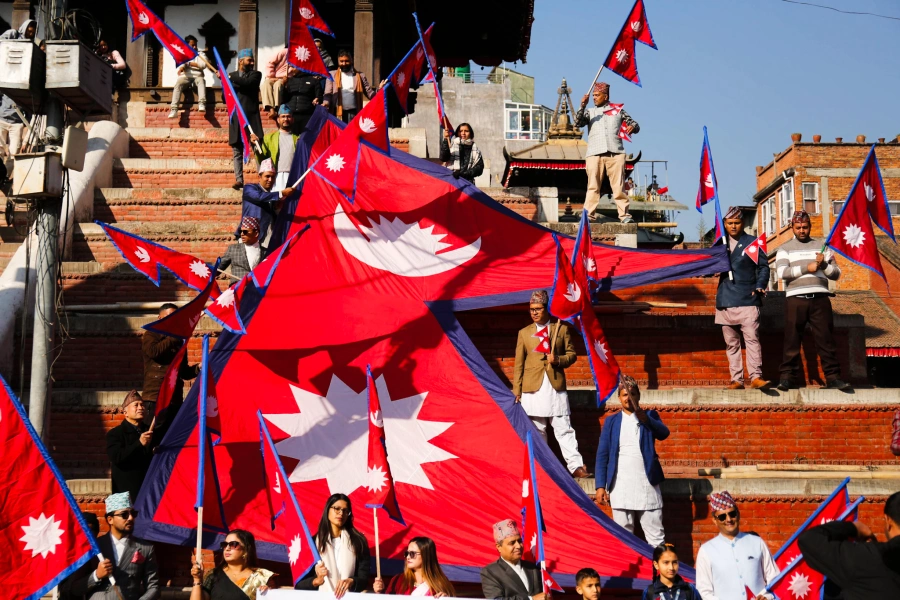
After an eight-year-long arduous journey, the country now finally has a new constitution from the CA. And this is a dream come true for many Nepalis.
Two weeks post the promulgation of the new constitution, things don't look so good and there is rather a sense of despondency that wasn't there before.
When the constitution was about to be promulgated, the tension and excitement was palpable. But the result, after its promulgation, is nothing to be pleased about.
The disputes over some of the key issues of the new constitution have become so complex that the protests launched against the new constitution have resulted in an undeclared blockade by India and the public is now going through a massive crisis – one they had never faced in the last 25 years.
The new constitution, for the first time in Nepal's history, has institutionalized some epochal achievements such as republicanism, federalism, secularism, and policy of inclusion, among other various progressive rights.
Besides that, the national charter is widely acclaimed for ensuring fundamental rights in a comprehensive way.
Despite that, people couldn't celebrate the promulgation of the new constitution together across the country even as the constitution was approved by an overwhelming majority of the CA.
On September 20, celebrations were carried out in several parts of the country but it was marred by strikes in Tarai and Madhes districts that resulted in the death of 43 people in various places of the southern parts of the country.
The constitution approved by nearly 90 percent lawmakers was challenged by a section of the society as lawmakers from Madhes-based parties boycotted the final procedures of endorsing the charter.
Professor Krishna Khanal said the crisis the country has faced following the promulgation of new
constitution was anticipated as the three major political parties failed to bring the disgruntled forces on board during the final days of endorsing the constitution.
He said at least four major political forces – Nepali Congress (NC), CPN-UML, UCPN (Maoist) and Madhes-based parties – should maintain at least a minimum level of consensus while taking major political decisions in Nepal.
"But, unfortunately, one political bloc [Madhesi] couldn't be retained in the final process and that has resulted in the present crisis," Khanal told The Week.
He believes that these four sides need to come together to implement the new constitution and for smooth transition of the country from unitary to a federal system as federating the country into provinces is going to be the most challenging task ahead.
Bijay Gachchhadar, who heads, Madhesi People's Rights
Forum-Democratic, made an all out effort to return to the constitution endorsement process until the end, so much so that he was ready to attend the promulgation ceremony even at the eleventh hour. But that just wasn't possible.
Khanal believes that had the leaders from the three major parties succeeded in bringing back Gachchhadar's party even at the final moment, the crisis wouldn't have escalated to this level.
Advocate Dipendra Jha, who is involved in lobbying for Madhesi communities' rights in the new constitution, however finds the latest unfolding of political events to be a positive development toward ending the latest crisis.
He believed that the government decision to provide one million to each family of those killed in the protests, to provide medication to the injured and the decision to return Nepal Army to the barracks have created conducive environment for both the sides to sit for talks.
"If the latest understanding to ensure proportional representation for Madhesi people in state organs and to retain the provision of the Interim Constitution 2007 with regard to delimitation of electoral constituency is endorsed by the cabinet today evening, it will further help end the crisis," said Jha on Thursday.
After that, the two sides will hold talks on the major demand of the Madhes-based parties that is to correct the proposed seven-province federal model.
However, the leaders from the three major parties have been arguing that the new constitution has already formed various commissions including on Madhes, Tharu and other communities and the issues related to the provincial boundaries can be settled later based on the recommendation of those constitutional bodies.
But Madhesi leader don't believe that commissions can resolve their demands. "The past records suggest that recommendations offered by commissions only gather dust and aren't implemented," said Jha. "So they want to settle it at the political level."
While several progressive provisions included in the new constitution make a large section of the society optimistic, the challenge that lies in implementing the federal system makes them apprehensive about the days to come too.
twitter: @thiralalbhusal
Related story
Garner graces cover of People’s annual ‘Beautiful Issue’