Under the campaign, the Epidemiology and Disease Control Division (EDCD) at the Department of Health Service (DoHS) had targeted administering the anti-elephantiasis drugs to all those over two years of age. [break]
However, last year´s data provided by the District Public Health Office (DPHO) in Kathmandu shows that only 4 percent of the population in some wards of the metropolis had taken the drugs distributed under the campaign.
The records show that 96 percent of the population residing in Ward No. 26 rejected the medicines. Likewise, only 6.9 percent of the population in Ward No. 1 received the medicines. In Ward 19 the situation was a little better, with 20 percent receiving the drugs.
"Over 96 percent of the population in some wards of Kathmandu Metropolitan City (KMC) rejected the medicine," said Geeta Acharya, focal person of the campaign at Kathmandu DPHO.
With most of the population in the metropolis rejecting the medicines, the government target of eliminating the disease in the metropolis by 2014 is set to fail.
Acharya said that the wards having a high rate of coverage in a similar campaign last year have set a smaller target than the actual populations residing in the wards.
An EDCD official said that coverage by the campaign was very disappointing.
The official said that the so-called educated people in the metropolis were problematical. "It is believed that educated people live in the metropolis but we are not been able to teach them the importance of the program," said Dr Bisho Raj Khanal, an official at EDCD.
He said that some people even refused to help the health workers in data collection.
"Some have release their dogs to chase away the government health volunteers," he said adding, "They think they do not need the drugs and believe the disease does not harm people of a higher class."
Kathmandu DPHO said one health volunteer broke a leg when a house-owner release his dog to chase her away.
EDCD said that the prevalence rate of the disease in the metropolis is still 9.8 percent. An earlier study conducted in 1997 had shown a prevalence rate of 24 percent.
EDCD has been launching the campaign for the past four years in 56 districts including Kathmandu, and it aims to bring the prevalence rate down to below one percent.
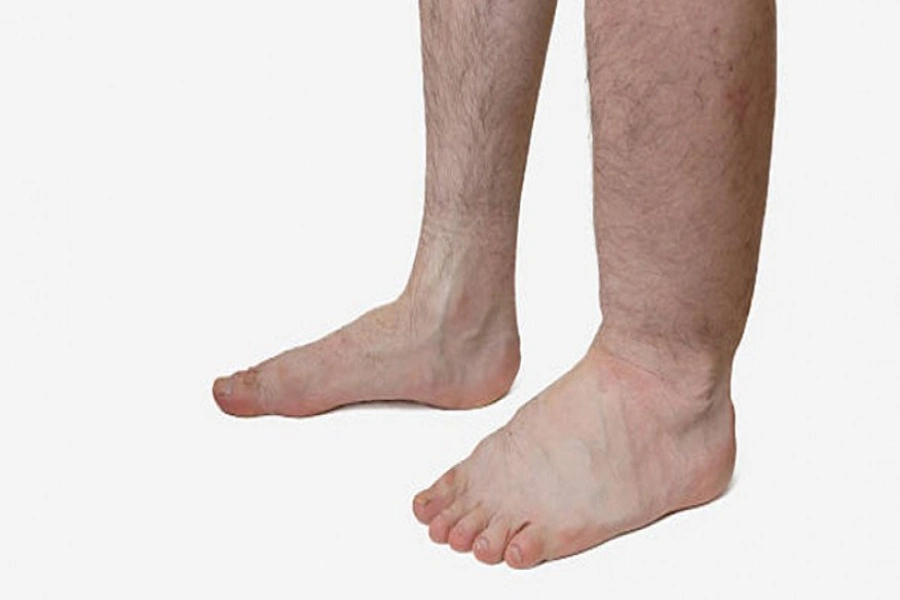
The office said that elephantiasis is the second major infectious disease in the country causing long-term disability.
.
Anti-elephantiasis campaign in district
Kathmandu DPHO said that the Mass Drug Administration (MDA) program, the campaign against elephantiasis, will be launched from February 2 in the district, and it will last up to four days.
The office said that Diethylcarbamazine (DEC) and Albendazole tablets will be administered under the campaign.
Srikrishna Bhatta of Kathmandu DPHO has requested people to take the drugs. He said the drugs will be administered to all people above two years of age, other than pregnant women and people having chronic diseases.
"This is a very important campaign, and I urged all the people to take the medicine under the campaign," he added.
Related story
10-day mass drug administration campaign against elephantiasis...




_20220312102535.jpg)