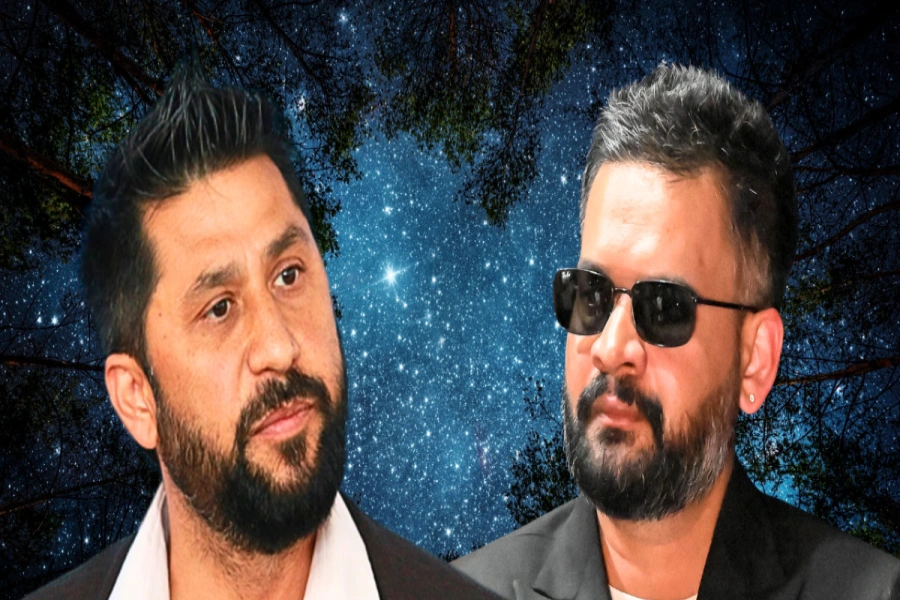
KATHMANDU, March 14: The Rastriya Swatantra Party (RSP), which secured nearly a two-thirds majority in the House of Representatives elections held on March 5, has begun internal discussions on forming a new government. The party had already agreed before the election to form a cabinet under the leadership of senior leader Balendra Shah (Balen).
Discussions are currently underway between RSP Chair Rabi Lamichhane and Shah regarding the government formation process. The party is preparing to send lawmakers capable of delivering efficient and responsive public services to the government in line with the people’s mandate.
RSP Deputy Spokesperson Pratibha Rawal said discussions on ministerial appointments have not yet formally begun, although meetings between Lamichhane and Shah have been taking place regularly.
“Discussions on who will join the government as ministers have not started yet. Based on the mandate given by the Nepali people, individuals capable of delivering efficient services will be sent to the government,” she said. “The cabinet will be formed in line with the people’s mandate, but discussions on the selection of individuals have not yet taken place.”
Rawal added that the party is also discussing possible amendments to its statute. “If certain procedural matters in the statute need to be adjusted, they will be revised,” she said, noting that changes may be required to appoint Shah as the leader of the parliamentary party.
RSP ministers vacate quarters despite continued support for gov...
_20230226123652.jpg)
Over the past two days, Lamichhane and Shah have held multiple rounds of discussions on government formation with other party leaders. Since Lamichhane has been unwell, meetings have reportedly been taking place at his residence.
According to RSP leaders, Shah—who has been projected as the party’s prime ministerial candidate—has proposed selecting ministers based on expertise from among elected lawmakers.
“Discussions are currently focused on restructuring ministries and forming a team capable of delivering results. We are exploring how the government can produce outcomes that the public can feel within the first 100 days,” said a lawmaker close to Shah.
Shah has also proposed bringing one or two ministers from outside Parliament. “There has long been a practice of bringing some experts into the cabinet from outside. Discussions have taken place along those lines as well. However, since many of the elected lawmakers themselves have strong subject expertise, the focus remains on them,” the lawmaker added.
Lawmakers close to Lamichhane, however, argue that since Shah joined the party as a senior leader and the party distributed 40 election tickets under both the proportional representation (PR) and first-past-the-post (FPTP) systems, cabinet representation should reflect that balance. Sources say Lamichhane has been holding internal consultations with his team on the matter.
Under the current constitution, the government must be formed from within Parliament, and anyone appointed from outside must become a member of Parliament within six months. Due to this provision, discussions have largely shifted toward appointing ministers from among elected lawmakers.
Although Lamichhane appears open to Shah’s proposal to bring in outside experts, constitutional constraints have limited that option. As a result, discussions are now focusing primarily on selecting ministers from among elected lawmakers, except possibly for one or two positions.
The RSP has already moved forward with plans to select its parliamentary party leader by March 19 as part of preparations for forming the new government.
Shah has proposed forming a cabinet that would allow him to work more effectively, suggesting that Lamichhane either lead the government formation process or grant him the authority to select ministers.
He has also proposed that Lamichhane choose key parliamentary positions such as Speaker, Deputy Speaker, chief whip, whip and committee chairs. However, sources say Lamichhane has remained largely silent on the proposal while indicating that excluding his camp from the cabinet could create internal complications.
After Shah signaled that he would select ministers, Lamichhane reportedly began consultations with leaders close to him.
Several professionals—including engineers, doctors, professors and legal experts—have been elected from Lamichhane’s faction within the party. With both camps fielding lawmakers with strong subject expertise, selecting ministers has become a challenging task.
After submitting its PR list to the Election Commission Nepal on Sunday, the RSP also plans to include some lawmakers elected through the PR system in the cabinet.
Some party leaders also say the cabinet may be expanded in two phases, with a few ministries initially left vacant and filled later.