KATHMANDU, March 24: A fresh report by the National Human Rights Commission (NHRC) has cast serious doubt on the role of the National Security Council (NSC) during the Gen Z protests of September 8 and 9, pointing to lapses in coordination, accountability, and decision-making at the highest level.
The NHRC’s findings are based on its investigation into alleged human rights violations during the protests, including the use of police force on September 8, as well as broader concerns over transparency, accountability, and impunity.
In a significant move, the NHRC has recommended action against top officials, citing their ineffective roles. Those named include then Prime Minister KP Sharma Oli, Deputy Prime Minister and Finance Minister Bishnu Paudel, Foreign Minister Arzu Rana Deuba, Home Minister Ramesh Lekhak, Defense Minister Manbir Rai, Chief of Army Staff Ashok Raj Sigdel, Chief Secretary Eaknarayan Aryal, and Secretary Rameshwar Dangal.
Former PM Oli testifies before NHRC on his role during Gen Z pr...

The report highlights that the NSC failed to convene meetings on time during the crisis, a lapse the NHRC says had direct implications for national security. However, NHRC sources confirmed that the report stops short of specifying what kind of action should be taken against those officials.
The findings came after an NHRC investigation committee, formed to assess damages and rights violations during the protests, submitted its report to NHRC Chairperson Tap Bahadur Magar on Friday. The probe, led by NHRC member Lily Thapa, began on September 9 and examined four key areas: human rights violations, use of police force on September 8, transparency and accountability, and impunity. The report has been submitted but has yet to be made public.
As part of the investigation, the NHRC recorded statements from then Prime Minister Oli, Home Minister Lekhak, chiefs of security agencies, and then Kathmandu Metropolitan City Mayor Balendra Shah (Balen), among others. It also conducted inquiries through district security committees and security personnel deployed in the field during the protests.
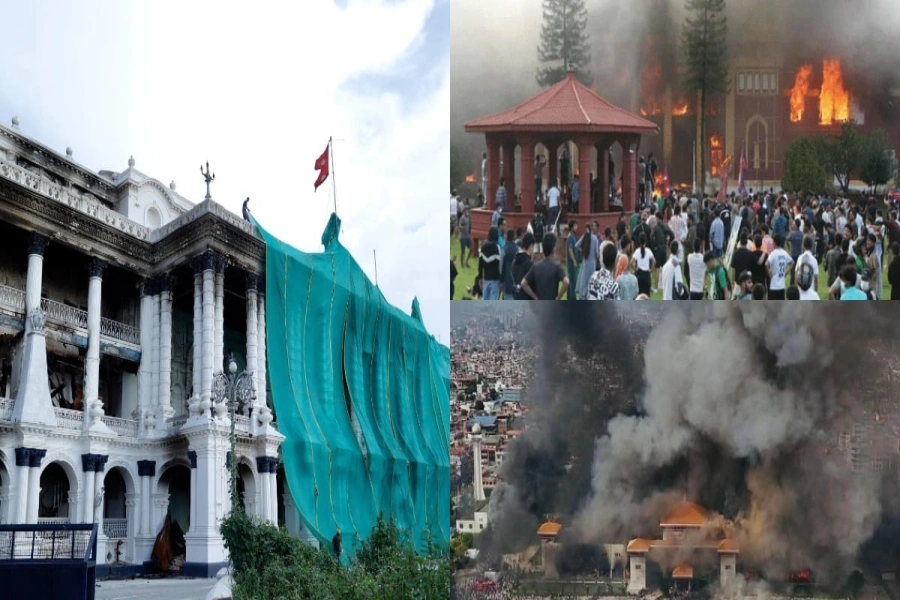
The NHRC’s earlier preliminary report, released on September 26, had already pointed to a troubling escalation. “While the protest remained peaceful during the first half of the first day, incidents of arson later escalated, and police firing led to fatalities, turning the situation violent,” the report stated. “Those deaths triggered widespread arson and vandalism on the second day.”
On September 9, the NHRC had called for an end to killings in the name of maintaining law and order and announced the formation of the probe team. A separate commission led by former judge Gauri Bahadur Karki had also recommended action against then Prime Minister Oli, Home Minister Lekhak, and Home Secretary Gokarna Mani Duwadee.
The government is now obligated to act on the NHRC’s findings. The nearly 10,000-page report also holds officials at district-level security committees accountable, stating that excessive use of force by security personnel made them responsible for the incidents.
The NHRC is preparing to table the report in its upcoming meeting next week before making it public.
Defending the depth of the investigation, committee coordinator Lily Thapa said the report was built on extensive consultations. “We spoke to a large number of people in the field, gathered views from hundreds, and incorporated forensic and ballistic analyses with expert input. The report spans nearly 10,000 pages,” she said, adding that it will be made public after the NHRC’s meeting in the coming days.