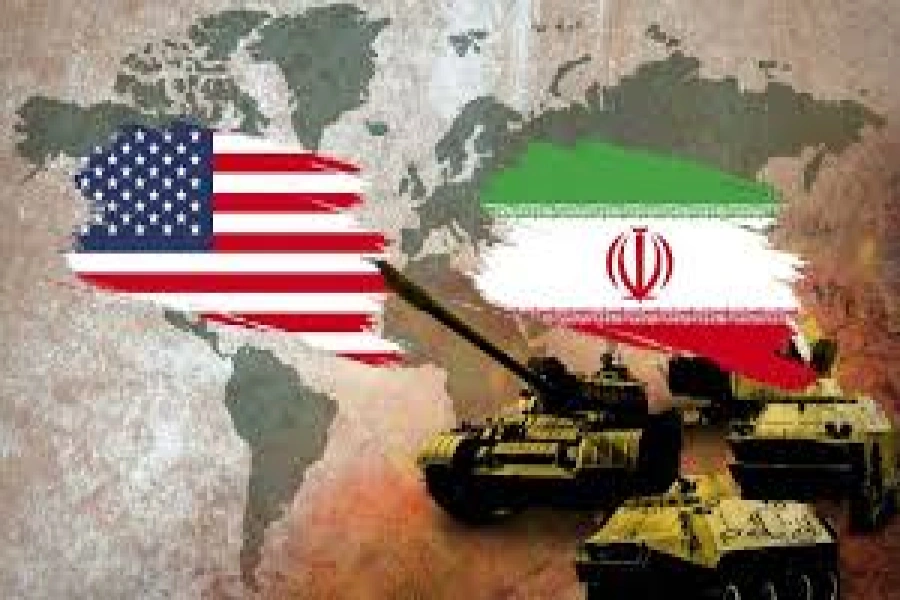
JERUSALEM, April 2: Israel said it came under Iranian missile fire on Thursday after US President Donald Trump threatened to bomb the Islamic republic into the "Stone Ages" with heavy strikes in the next two to three weeks.
In a speech from the White House, Trump sought to reassure war-weary Americans that the military campaign that began on February 28 was coming to an end, vowing "extremely hard" strikes against Iran.
"Thanks to the progress we've made, I can say tonight that we are on track to complete all of America's military objectives shortly, very shortly," Trump said.
The war's "core strategic objectives are nearing completion", he said, warning however that "over the next two to three weeks, we are going to bring them back to the Stone Ages, where they belong".
His address came as Britain was set to host a meeting Thursday with about 35 countries on how to reopen the strategic Strait of Hormuz that Iran has effectively blocked without a deal to end the war.
The US-Israeli strikes on Iran that started the war killed senior officials in the Islamic republic's military forces and government, including supreme leader Ayatollah Ali Khamenei, whose son has since replaced him.
Trump, whose approval rating is sinking over the war, indicated that talks may be possible with Iran's new leadership, which he described as "less radical and much more reasonable" than its predecessor.
He warned that if no agreement with Tehran was struck, Washington had "our eyes on key targets including the country's electric generating plants".
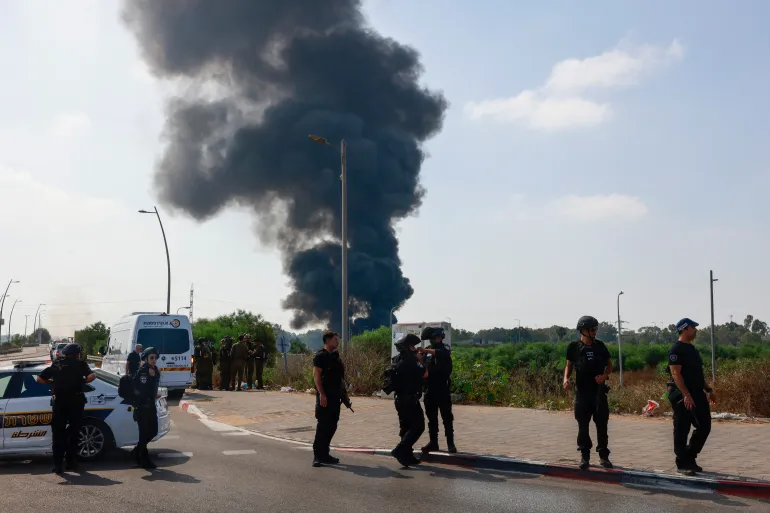
Despite Trump's threats, Israel's military said Iran twice fired missiles at the country after his address, part of four barrages detected within six hours on Thursday.
Israel says Iran launched more than 300 drones and missiles, 99...

Iran has dismissed Washington's ceasefire overtures, describing US demands to end the conflict as "maximalist and irrational".
"Messages have been received through intermediaries, including Pakistan, but there is no direct negotiation with the US," said Iranian foreign ministry spokesman Esmaeil Baqaei, quoted by the ISNA news agency on Thursday.
Pro-government Iranians in the capital Tehran were also defiant at the funeral of a Revolutionary Guards naval commander who was killed in an Israeli strike.
"This war has lasted a month. However long it takes, we will continue," said Moussa Nowruzi, a 57-year-old pensioner.
"We will resist until the end."
- Gulf protection -
Trump also assured regional allies Israel and Gulf nations that Washington would protect them from Iranian retaliatory fire, as more attacks were reported across the region on Thursday.
He addressed Israel, Saudi Arabia, Qatar, the UAE, Kuwait and Bahrain -- all battered by Iranian drone and missile attacks -- that the United States "will not let them get hurt or fail in any way, shape or form".
As Israel prepared for the Passover holiday, which began at sunset Wednesday, air raid sirens sounded repeatedly in the Tel Aviv area.
On Thursday, the United Arab Emirates said its air defences were again responding to missile and drone "threats".
The Revolutionary Guards also confirmed hitting an oil tanker in the Gulf they said belonged to Israel. A British maritime security agency said the vessel was struck off Qatar, reporting damage but no casualties.
In Lebanon, militant group Hezbollah said its fighters launched drones and rockets at northern Israel on Thursday, with the Israeli military's Home Front Command saying air raid sirens were activated across the border.
A day earlier, Israel killed a top Hezbollah commander, two sources told AFP, in a Beirut strike that the Lebanese health ministry said killed seven people.
Authorities in Lebanon say Israeli attacks have killed more than 1,300 people in the country since war erupted between Israel and Iran-backed Hezbollah on March 2.
- Hormuz 'courage' -
Hours before Trump's address, Iran's President Masoud Pezeshkian asked the American people whether the conflict was truly putting "America First", accusing Washington of war crimes and of being influenced by Israel.
Trump had claimed earlier Wednesday that Iran's president had sought a ceasefire, but said the Islamic republic must first reopen the Strait of Hormuz -- which he said in his address would happen "naturally" once the conflict ended.
In his speech he called for countries that receive oil through the Strait of Hormuz to show "courage" and seize the key waterway.
On Thursday, the British-led virtual meeting of dozens of nations will "assess all viable diplomatic and political measures that we can take to restore freedom of navigation" in the strait, Prime Minister Keir Starmer said.
But Trump's remarks did little to calm energy markets rocked by the waterway's de facto closure, with oil prices surging Thursday. Brent jumped more than four percent to more than $105, while West Texas Intermediate climbed three percent to hit around $103.
One-fifth of global oil normally passes through the Strait of Hormuz.
Iran's Revolutionary Guards vowed Wednesday to keep it shut to the country's "enemies".
After a wave of anti-government demonstrations that crested in Iran in January over economic grievances, some Iranians still privately long for political change, particularly after Trump himself had promised to come to their aid.
"He betrayed the Iranians," said one woman in her 30s, requesting anonymity for security reasons.
Sounding resigned, she added she no longer expects a change of government, but "if they could grant us more freedoms, we could live with that".